As the AI Wave Sweeps the Globe, Quantum Layout Becomes Crucial
The AI boom is sweeping the world. Against this backdrop, investing in and laying the groundwork for quantum computing is seen as a core source of future technological competitiveness and a critical strategic technology. Dr. Sean Lin, CEO of Quantum NIL, emphasizes that enterprises should make early strategic layouts and actively invest to seize market opportunities.
Dr. Sean Lin believes that while Taiwan currently holds a solid leading position globally in advanced semiconductor manufacturing, the industry must not rest on its laurels. Instead, it should firmly grasp the upcoming wave of industrial opportunities brought by quantum technology, leveraging its existing foundation of superior resources and capabilities to pioneer a new industrial landscape.
US Assembles "National Quantum Team" to Seize Global Standard Dominance
Dr. Sean Lin points out that the US strategic layout for advancing quantum technology can be traced back to the National Quantum Initiative Act passed in 2018. This act elevates quantum technology to a national strategic level, requiring the federal government to integrate research resources, cultivate top talent, and accelerate the commercialization of the technology. The primary goals include maintaining technological superiority, building a next-generation cybersecurity system, enhancing national defense capabilities, and creating a complete quantum supply chain to avoid repeating the history of silicon semiconductor manufacturing offshoring.
Currently, through government funding and national laboratories, the US is collaborating with tech giants such as IBM, Google, Microsoft, PsiQuantum, Quantinuum, and IonQ to build a "National Quantum Team," fully driving the development of quantum computing. Dr. Sean Lin analyzes that the US aims not only to build the next-generation supercomputing architecture but also to be the first to secure dominance over future cybersecurity, financial encryption, military intelligence, and global technology standard-setting, thereby taking absolute control over the comprehensive development of quantum technology.

Semiconductor Industry Explores New Opportunities in Quantum Technology
Dr. Sean Lin observes that the global semiconductor industry is actively exploring development opportunities integrated with quantum technology applications. In recent years, the US has aggressively promoted manufacturing reshoring and industrial renaissance, attempting to reshape supply chain layouts through policy and industrial strategy. Among these efforts, the pace of quantum technology development has become a key indicator of whether the US can maintain its global technological leadership in the future.
Dr. Sean Lin points out that the US currently not only masters the core technologies of quantum tech but is also actively constructing a complete quantum industry chain. Meanwhile, to prevent the current situation of semiconductor manufacturing being overly concentrated in Asia from repeating itself in the quantum sector, the US has continued to support its domestic quantum industry, build an ecosystem, and actively nurture a new generation of quantum technology enterprises.
To sustain its current market advantages, Dr. Sean Lin believes that the semiconductor industry must not only continuously refine its manufacturing capabilities but also explore and lay out strategies for quantum technology early on. Only by comprehensively cultivating talent and developing an ecosystem can the industry firmly grasp the opportunities of the new quantum revolution and maintain its competitive edge and international competitiveness in the semiconductor sector.
Focusing on Independent R&D of Core Technologies to Accelerate Quantum Collaborative Layout
Currently, the corporate world generally focuses on AI technology and applications, leaving significant room for growth in discussions and attention toward quantum technology. Dr. Sean Lin argues that quantum computing is gradually transitioning from fundamental laboratory research to industrialization. In the future, it is bound to become a critical core technology affecting national competitiveness and industrial upgrading, and enterprises must pay close attention in a timely manner.
Looking at global technological trends, Dr. Sean Lin points out that Taiwan already possesses world-class competitiveness in semiconductor manufacturing and industrial integration, holding a pivotal position globally, especially in advanced nodes. However, EDA software, core equipment, and critical materials required for chip manufacturing still heavily rely on the support of the international supply chain. Moving forward, in addition to strengthening the independent R&D and capability building of these core technologies, it is essential to actively keep pace with and rapidly deploy collaborative efforts in emerging fields like quantum technology. Only then can the industry continuously enhance its competitiveness and influence in the global tech sector.

Quantum NIL Accelerates in the Quantum Supply Chain, Elevating Global Market Visibility
Dr. Sean Lin anticipates that as the quantum industry gradually matures, the global tech landscape, the semiconductor industry, and the overall market will usher in a new wave of profound transformation. How existing semiconductor companies can extend their manufacturing advantages, further seize the opportunities in quantum technology development, and amplify their competitive moats (such as the quantum foundry model) has become a focal point of intense industry interest.
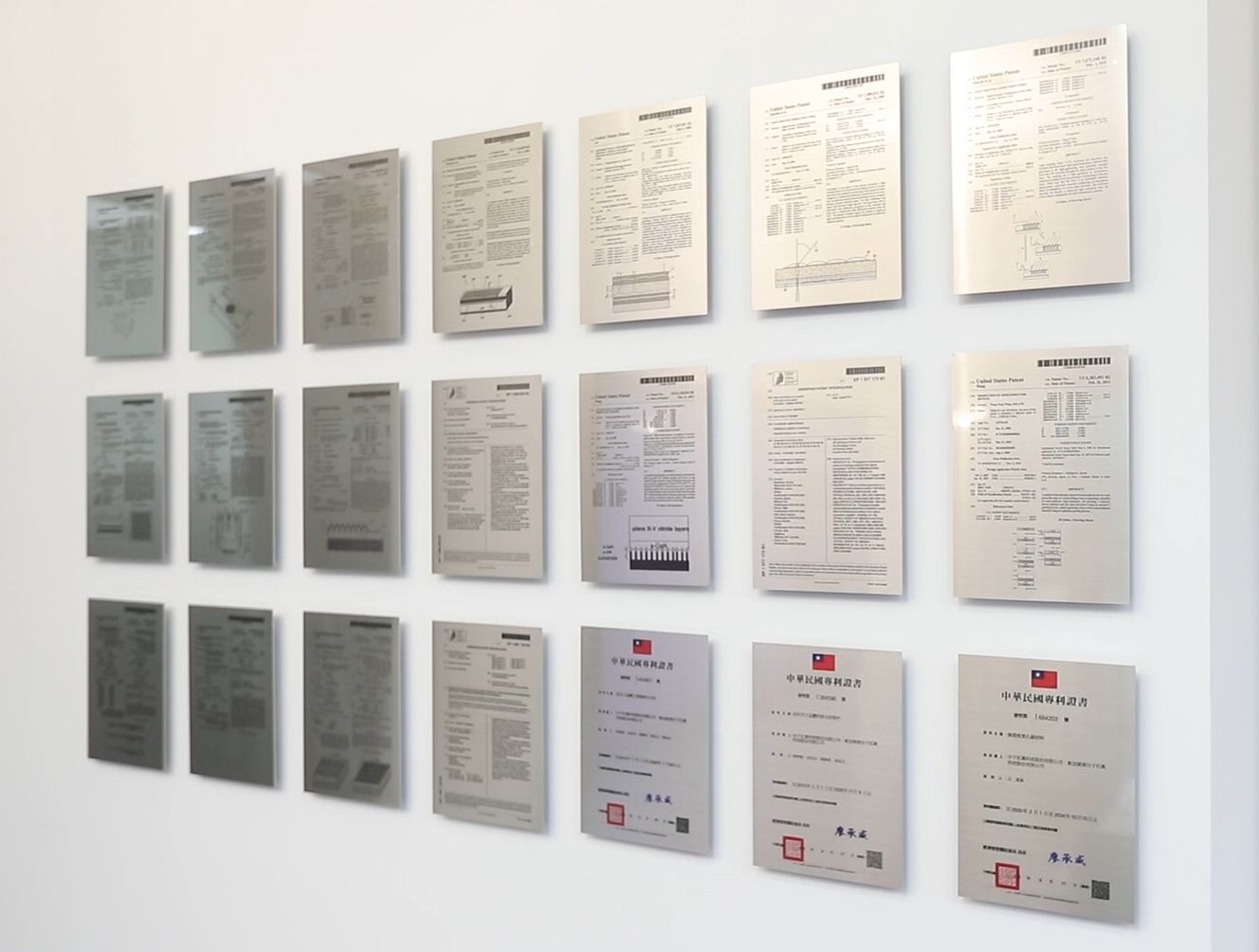
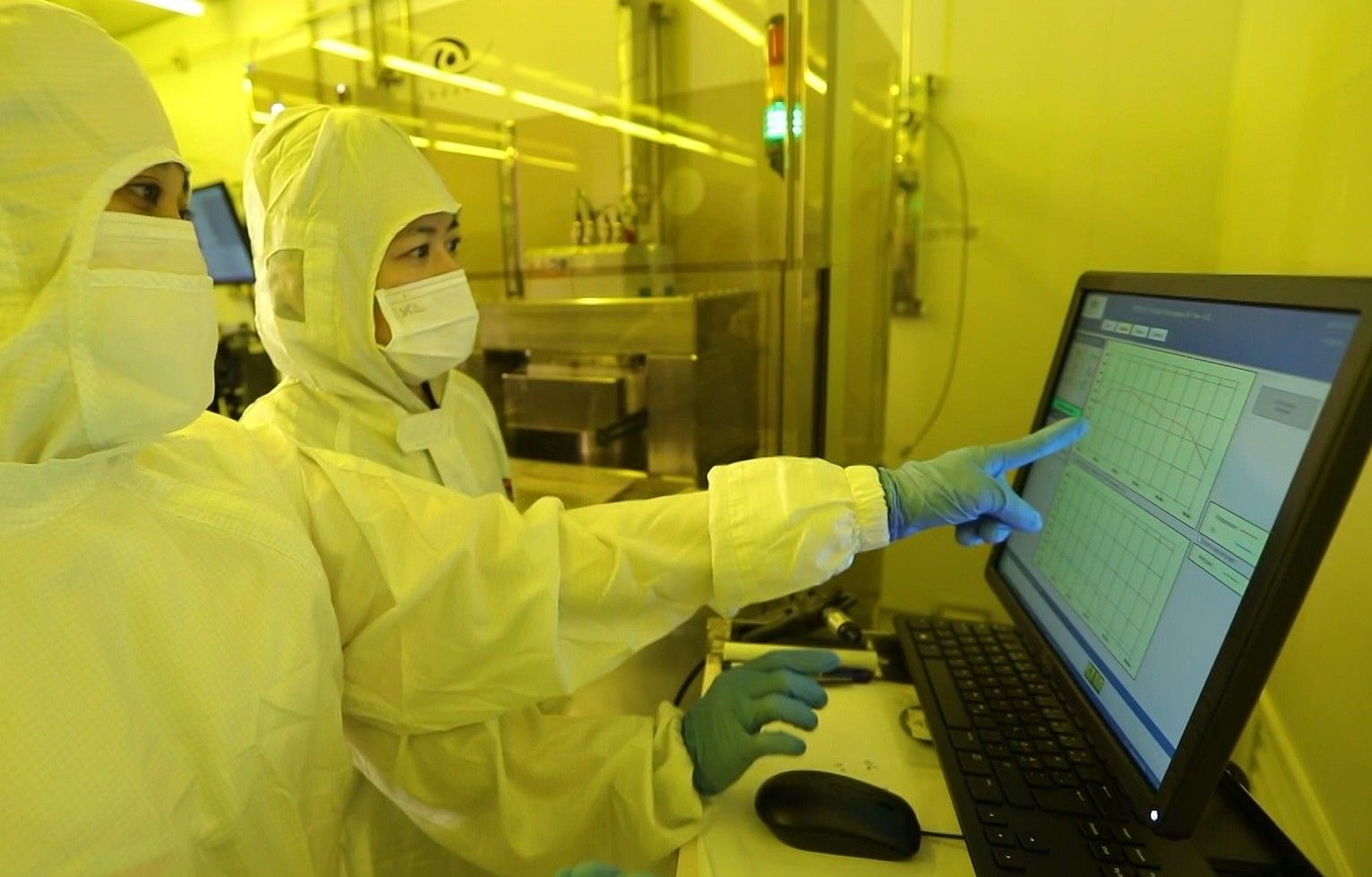
Quantum NIL has long been deeply engaged in nanoimprint lithography (NIL) technology, utilizing heterogeneous integration of compound semiconductor materials to create various high-precision microstructures, with a strong focus on the development of critical processes and technologies for quantum devices. Over the years, the company has continuously dedicated its efforts to becoming an indispensable and vital technical partner in the global quantum supply chain.
Dr. Sean Lin states that the Quantum NIL team has currently invested across diverse fields, including InP wafer gratings for AI optical communications, meta-optics, biomedical diagnostics, and quantum applications. Since its establishment in 2022, the company has steadily accumulated profound core technologies and R&D capabilities. It is now steadily expanding its visibility in the wafer-level foundry market, with a highly promising outlook.
Leveraging Core Technological Advantages to Deepen the International Cooperation Network
Dr. Sean Lin believes that the global understanding of quantum computing has gradually shifted from being viewed as "fundamental research bordering on philosophical thought" to a new stage of commercialization and scaled manufacturing. In future industrial competition, whoever first masters the critical process technologies will play a decisive role in the wave of quantum industry development.
Dr. Sean Lin mentions that before founding the company, he was engaged in fundamental research on photonic crystal materials for a long time, a technological lineage that highly aligns with current quantum technology. In the nearly five years since its inception, Quantum NIL has accumulated substantial technical prowess and process experience. These core competencies will undoubtedly become a critical advantage and a source of competitiveness for the company to continuously expand in key markets moving forward.
Specifically in terms of industrial strategic layout, Quantum NIL has already established joint R&D partnerships with several internationally renowned universities, top-tier research institutions, and enterprises overseas. In the future, the company will continue to expand and deepen its international cooperation network to accurately grasp the cutting-edge development trends of quantum technology and consistently create new business opportunities.
Other News