As the AI wave sweeps across the globe, quantum computing is increasingly viewed as the single most critical core technology determining future global competitiveness. Taiwan must position itself early and actively commit resources to capture this emerging frontier.
Dr. Sean Lin, CEO of Quantum NIL, stated that while Taiwan holds an absolute global leadership position in advanced semiconductor manufacturing, it must not become complacent. Instead, it should capitalize on the new wave of industrial opportunities brought about by quantum technology.
The United States is leveraging federal funding, national laboratories, and tech giants—including IBM, Google, Microsoft, PsiQuantum, Quantinuum, and IonQ—to build a formidable "National Quantum Team" and drive quantum computing development forward. The objective extends beyond establishing next-generation supercomputing architectures; it aims to secure absolute dominance in future cybersecurity, financial encryption, military intelligence, and global technology standard-setting.
Compared to the intense hype around AI, discussion and focus on quantum technology in Taiwan still have significant room for growth, even as the semiconductor industry actively explores development opportunities in the quantum sector. Dr. Sean Lin analyzed that the U.S. has been aggressively pushing for reshoring manufacturing and an industrial renaissance in recent years, reshaping the global supply chain landscape through policy and industrial strategy. Quantum technology serves as a vital strategic pillar for maintaining its global technological leadership.

He pointed out that the U.S. not only masters core quantum technologies but is also actively constructing a complete quantum industrial ecosystem. To prevent repeating the historical over-concentration of semiconductor manufacturing in Asia, the U.S. has continually fostered its domestic quantum ecosystem and nurtured a new generation of quantum tech enterprises. As the quantum industry matures, the global technology landscape will undergo a new round of transformation. How the existing semiconductor sector extends its established manufacturing advantages to grasp quantum opportunities remains a key focus moving forward.
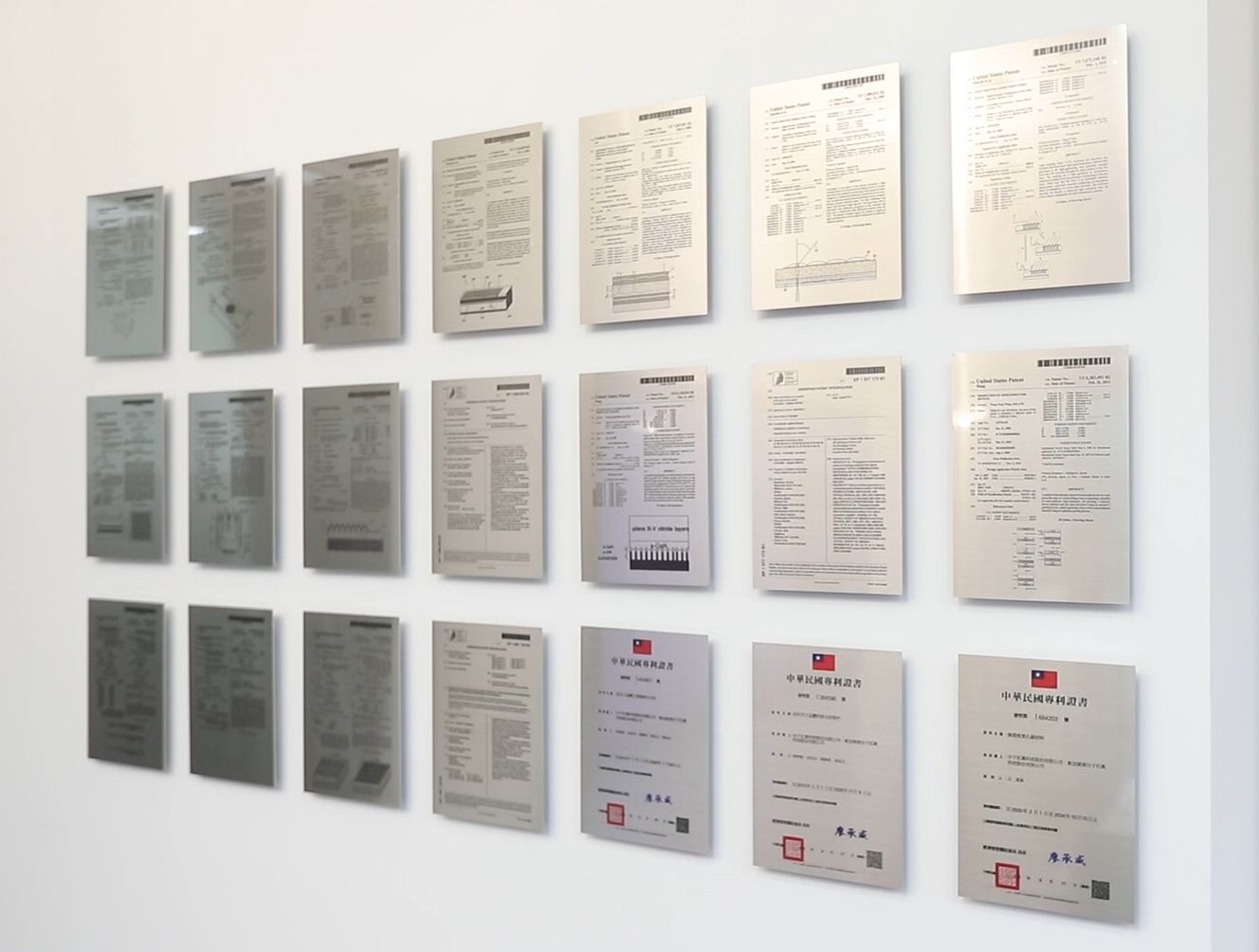
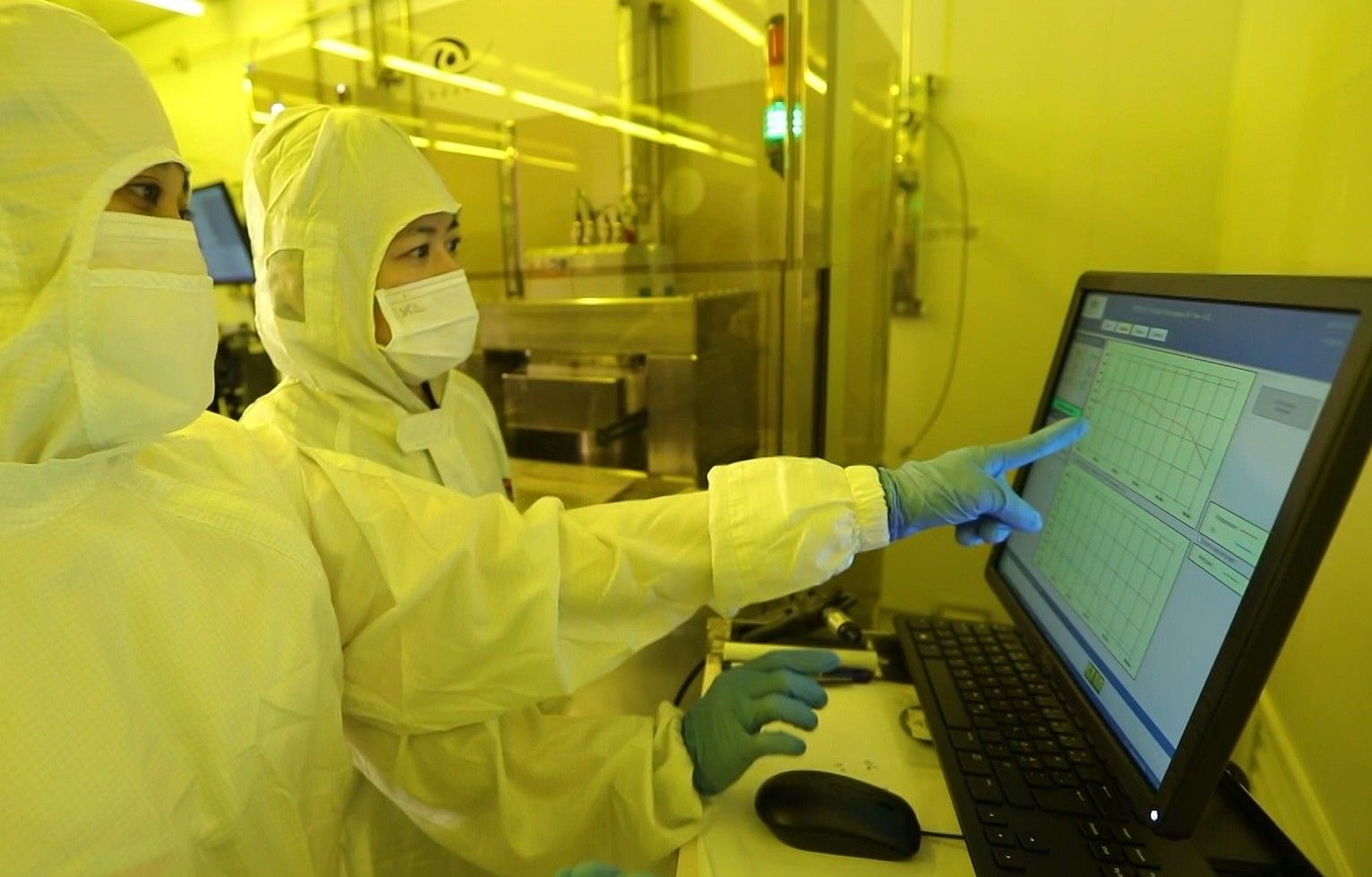
Quantum NIL has long specialized in Nanoimprint Lithography (NIL), fabricating high-precision microstructures using compound semiconductor heterogeneous integration materials. Focusing on critical processes and technology development for quantum devices, the company is committed to becoming a key technology partner in the quantum supply chain. Dr. Sean Lin has led his team into optical communication InP wafer gratings for AI, metasurface optics, biomedical diagnostics, and diverse quantum applications. Since its establishment in 2022, the company has steadily built its technological capabilities and enhanced its visibility in the wafer-level foundry market.
Prior to founding the company, Dr. Sean Lin conducted fundamental research in photonic crystal materials—a technical lineage highly aligned with quantum technology. In terms of market layout, Quantum NIL has established joint R&D partnerships with multiple overseas universities, research institutions, and enterprises, continually deepening its international collaboration network to keep pace with the latest quantum trends. He believes that the paradigm of quantum computing is transitioning from what was once viewed as "fundamental research near-philosophical in nature" into a new phase of commercialization and scaled manufacturing. Companies possessing key process technologies will play a crucial role in the development of the quantum industry. Quantum NIL's accumulated technological strength and process experience will serve as major competitive advantages as it expands into critical markets.
Addressing global technology trends, Dr. Sean Lin noted that Taiwan possesses world-class competitiveness in semiconductor manufacturing and industrial integration, particularly occupying a vital position in advanced node processes. However, EDA software, equipment, and critical materials required for chip manufacturing still largely rely on international supply chains. Moving forward, Taiwan must strengthen its capacity for independent core technology R&D and actively lay the groundwork in emerging fields such as quantum technology to further reinforce its global competitiveness and influence.
Dr. Sean Lin pointed out that the strategic U.S. layout for quantum technology can be traced back to the passage of the National Quantum Initiative Act in 2018. The legislation elevated quantum technology to a national strategic level, mandating the federal government to integrate research resources, cultivate talent, and accelerate technological commercialization. Core objectives include maintaining tech leadership, constructing next-generation cybersecurity frameworks, enhancing defense capabilities, and building a complete, closed-loop quantum supply chain to avoid repeating the historical off-shoring of silicon semiconductor manufacturing.
Dr. Sean Lin concluded that quantum computing has moved beyond laboratory research and is accelerating toward industrialization, making it an indispensable core technology for national competitiveness and industrial upgrading. For Taiwan to sustain its semiconductor advantage, it must look beyond refining manufacturing capabilities and proactively cultivate quantum technology, ecosystems, and talent to capture key opportunities in the next technological revolution and maintain its international edge.
Other News