Quantum NIL Shines at InnoVEX 2026, Unveiling Next-Gen Quantum Optics and Nanoimprint Applications
InnoVEX 2026 - 2026-06-02
Highlights of InnoVEX 2026 Taiwan Exhibition
As the 2026 Taipei International Information Technology Show (COMPUTEX 2026) once again ignites global enthusiasm for artificial intelligence and frontier tech, market focus is rapidly shifting toward quantum technology and next-generation optoelectronics. Capitalizing on this trend, Quantum NIL made a striking appearance at the InnoVEX 2026 startup zone within the Small and Medium Enterprise and Startup Administration (SMESA) Pavilion. The company showcased its cutting-edge integration of compound semiconductors with nanoimprint technology, highlighting breakthrough applications in optical communications, biomedical diagnostics, meta-optics, and quantum-related fields.
This year, the SMESA Pavilion is anchored by the core philosophy of "Connecting SMESA, Co-creating Taiwan." It aims to leverage this global startup exhibition and matchmaking platform to connect Taiwan's outstanding SMEs and startup brands with international resources. The pavilion gathered 33 top-tier Taiwanese startups to exhibit R&D achievements across three critical sectors: Deep Tech, AI Applications, and Sustainable & Health Tech, with Quantum NIL standing out as a premier highlight.
Dr. Sean Lin, CEO of Quantum NIL, was invited to participate in the Industry Trends and Enterprise Forum hosted by Hua Nan Securities on May 22, delivering a keynote speech on the advent of the quantum era.
Core Competitiveness: Hybrid Nanoimprint and Etching Process
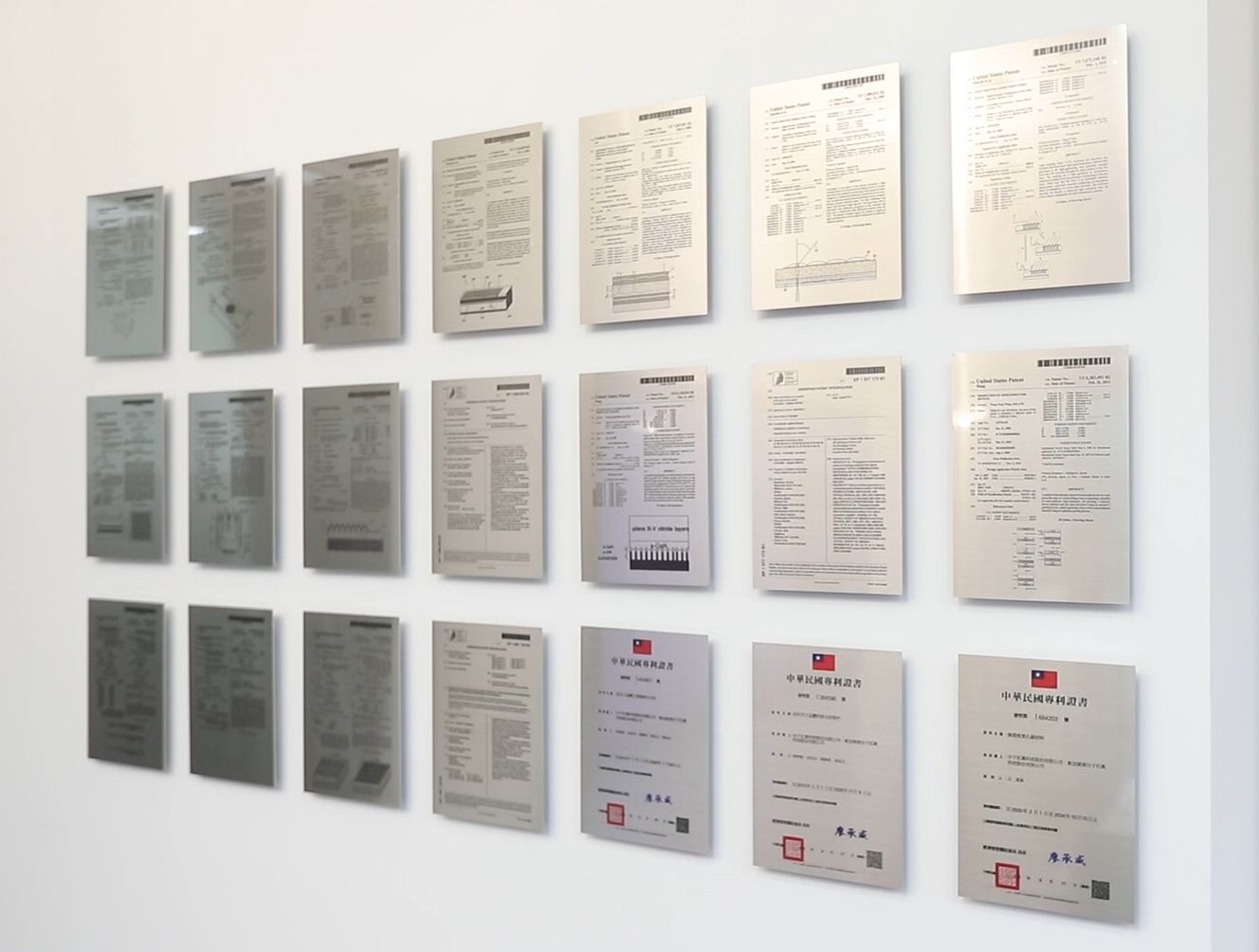
Dr. Sean Lin, CEO of Quantum NIL, stated that the company's core technological moat lies in its hybrid nanoimprint and etching process. Based on this foundation, Quantum NIL is deeply engaged in compound semiconductor wafer-level foundry services and the design and manufacturing of meta-optical components. The process is fully compatible with various 2- to 8-inch compound semiconductor wafers, including InP (Indium Phosphide), GaAs (Gallium Arsenide), GaN (Gallium Nitride), SiC (Silicon Carbide), and Ge (Germanium), flexibly meeting diverse application demands.
Disrupting Traditional Optics: Metalens Targets a Multi-Billion Dollar Market
The Quantum NIL team possesses profound expertise in nanoimprint process solutions and nanophotonics simulation design. Taking the metalens as a prime example, the team leverages foundational nanostructure design and advanced manufacturing techniques to transform lightweight visual materials into wafer-level optical components. This breakthrough significantly reduces the weight and physical burden of AR glasses, making the user experience virtually indistinguishable from wearing standard eyewear. Concurrently, it demonstrates immense commercial potential in smartphone camera lenses and optical modules.
Dr. Sean Lin emphasized that the industry-disrupting impact of metalenses and non-traditional optical innovations is on par with the AI software revolution. Quantum NIL's next phase of strategic development will pivot directly toward quantum optics applications. Currently, several leading international brands are closely monitoring the potential of meta-optics in AR glasses and multi-functional diagnostic lenses. By integrating these advanced products with traditional optical technologies, the company is poised to tap into a multi-billion-dollar market.
Strategic Roadmap: Accelerating Toward the Quantum Optics Era
InnoVEX 2026, recognized as a leading indicator for Asian startup exhibitions, brings together multinational startup teams, investors, and accelerators, serving as an annual hub for innovative tech exchange. The event focuses on six major themes: AI Agents & System Integration, Semiconductor Design & Applications, Robotics & Smart Automation, Smart Mobility & Next-Gen Communications, Next-Gen Entertainment & Immersive Content, and Digital Health & Smart Medicine.
Quantum NIL noted that the commercialization of quantum technology is an inevitable macro trend, and the company has already laid out its strategic roadmap in advance. Moving forward, Quantum NIL will collaborate with industry partners to drive the commercialization of meta-optics while accelerating its expansion into the broader quantum optics application sector.