Integrating the Global AI and Quantum Technology Supply Chain:
An Indispensable Move
Major economies worldwide are aggressively attracting foreign direct investment to stimulate economic vitality, with the policy directions of China and the United States drawing particular attention. At the SelectUSA Investment Summit 2026 held this May, the highest-level investment attraction event hosted by the U.S. Department of Commerce, Commerce Secretary Howard Lutnick personally attended the opening ceremony. This highlights the high level of importance and commitment the U.S. government places on international investment cooperation.
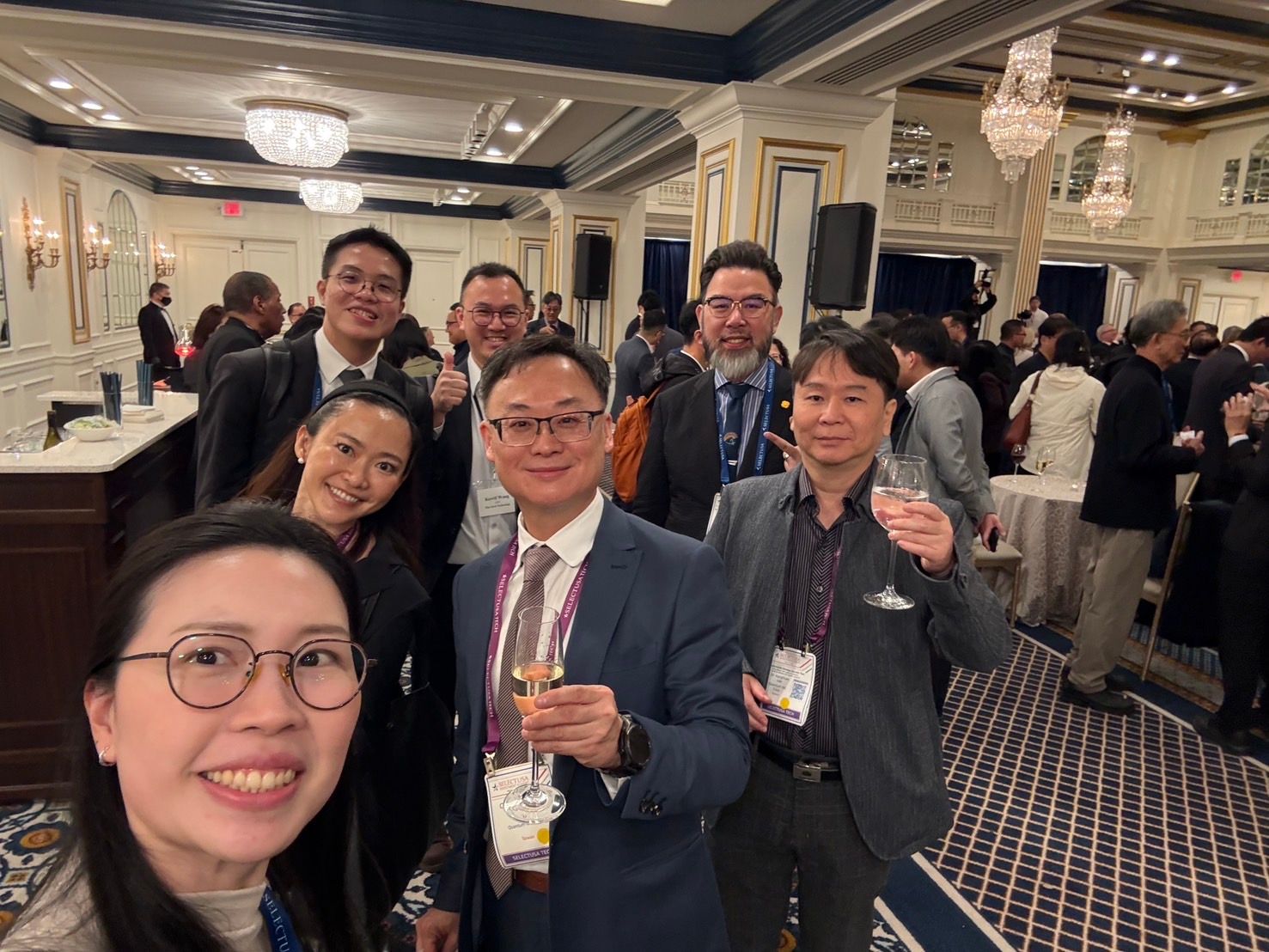
Quantum NIL has been actively expanding its footprint in the international market. Following its participation last year in a quantum industry exchange itinerary organized by the American Institute in Taiwan (AIT), the firm took an even more proactive step by attending the SelectUSA Investment Summit 2026, demonstrating its strong ambition to integrate into the global AI and quantum technology supply chains.
Dr. Sean Lin, CEO of Quantum NIL, noted that Taiwan, Japan, South Korea, and the UK have all been actively investing in the U.S. in recent years, with Taiwan maintaining the largest delegation at SelectUSA for three consecutive years. Led by two cabinet-level officials for the first time this year, Taiwan's tech sectors and traditional industries alike are placing immense strategic value on the vast potential of the U.S. market. Quantum NIL must remain proactive, as missing out is simply not an option.
Directly Grasping Industry Trends and Global Market Demands
Dr. Sean Lin believes that participating in SelectUSA allows the company to more directly grasp global market demands and industry trends, thereby accelerating its layout and integration into the international quantum technology ecosystem. As Trump 2.0 vigorously pushes the policy of reshoring manufacturing to America, coupled with the skyrocketing demand for advanced semiconductor manufacturing processes driven by the rapid development of AI, Taiwanese enterprises are also actively evaluating the strategic value of investing and expanding in the United States.
However, although semiconductors are an investment area highly valued by the United States, they were not listed as a heavily promoted item at this year's summit. Instead, industries such as the AI supply chain, quantum computing, drones, and the defense industry have become the primary recruitment focus for various states, successfully attracting Taiwanese manufacturers to establish their presence. Among them, a copper wire and cable manufacturer has proactively visited the U.S. for inspection, specifically targeting the construction demands of computing centers.
Great Power Competition: Seizing Opportunities in Global Supply Chain Restructuring
Dr. Sean Lin pointed out that since the outbreak of the COVID-19 pandemic in 2020, the trend of global manufacturing supply chains shifting toward Balkanization has become increasingly distinct, prompting nations to readjust their manufacturing layouts and regional investment strategies. He believes that in the coming years, driven by great power competition, the world will enter a critical phase where startups integrate into the global industrial structure and regional economic reconfiguration, which will deeply influence corporate development and operational mindsets.
Under the support of federal government policies and the integration of industrial resources, the United States is not only continuously investing massive resources into building AI computing centers but is also simultaneously promoting a huge infrastructure upgrade plan. Trump 2.0 seeks a comprehensive overhaul, bringing an unprecedented wave of development opportunities for the global technology and manufacturing industries. Taiwanese startups and small and medium-sized enterprises (SMEs) can leverage their flexibility and adaptability to carefully plan their layouts and seize new opportunities arising from this global supply chain restructuring wave.
Among these, the United States possesses clear advantages in energy independence and cutting-edge technologies. It is actively collaborating with trusted allies to strengthen and restructure supply chain resilience, which has captured the attention of global enterprises. Taking Northern Virginia as an example, the local area is a vital hub for government and defense-related industries, frequently bringing together enterprises looking to secure government and defense contracts.
Early Stages of Quantum Commercialization: Bright Prospects Ahead
In addition to focusing on compound semiconductor technology with nanoimprint solutions as its core, Quantum NIL continuously monitors trends in the quantum technology sector. Dr. Lin revealed that the corporate identity system of Quantum NIL shown in the cover image—consisting of a black hollow circle paired with red and white dots—was originally conceived to interpret the quantum technology imagery embedded within Quantum NIL through abstract geometric elements. Dr. Sean Lin noted that the quantum trademark is not only a vital intangible asset for Quantum NIL, but also represents the firm's ambition for innovation and international expansion. He joyfully pointed out that the company launched various corporate identity merchandise this year, all featuring a minimalist double-circle design paired with the text "Quantum NIL" as its brand identity. Dr. Lin emphasized that this corporate trademark has now successfully obtained registration in the United States.
Dr. Sean Lin pointed out that although quantum technology is still in its early stages of commercialization, major breakthroughs are expected within the next few years due to the active involvement of governments and international conglomerates. Quantum computing possesses the dual advantages of massive computing power and low energy consumption, giving it greater potential for green development compared to GPU architectures. It is highly anticipated to become the core of the next-generation hybrid AI computing architecture. Equally promising is the new generation of computing center architecture based on all-optical transmission, which is expected to drive a major new wave of growth in the optical communication semiconductor industry.
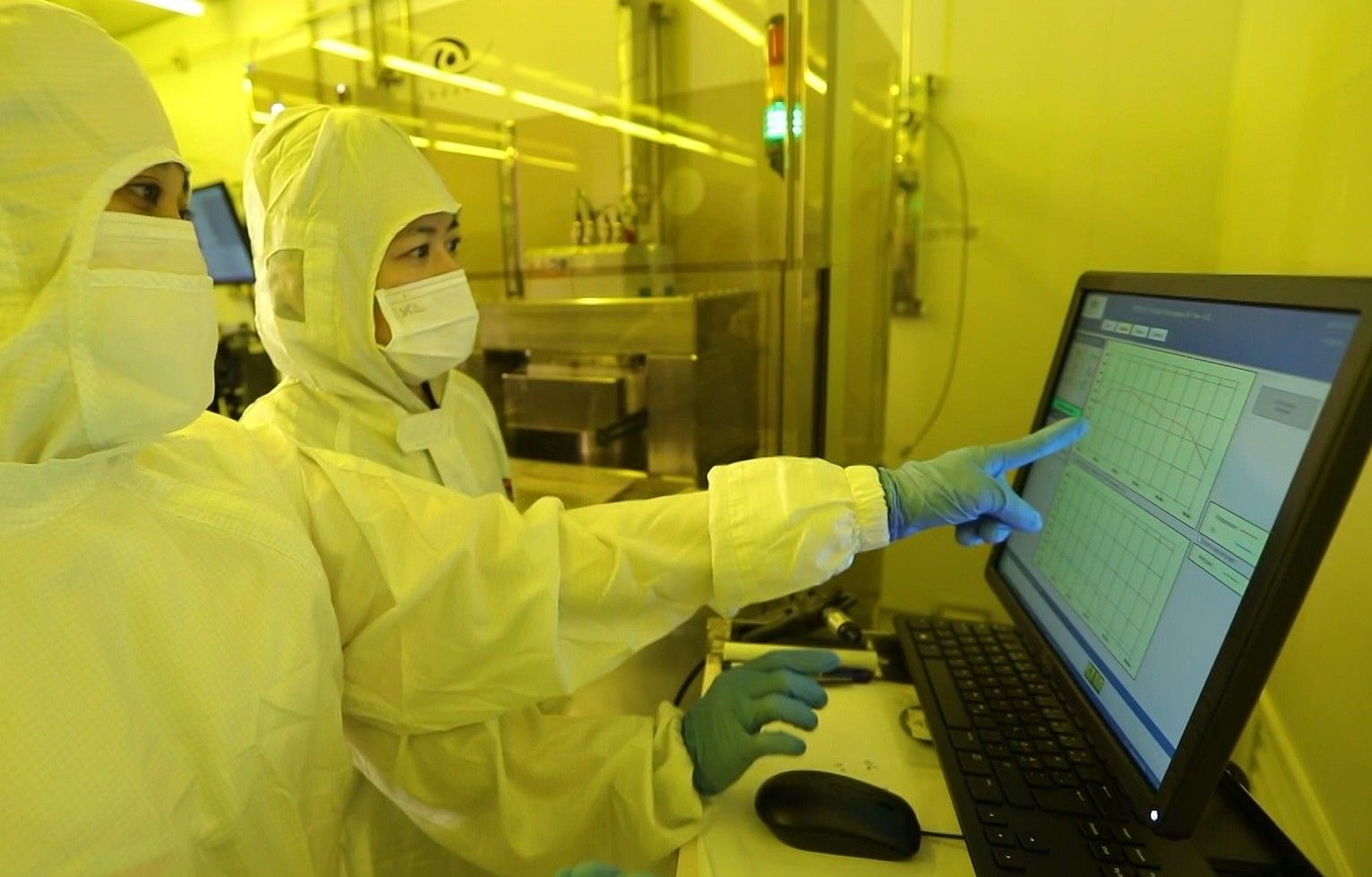
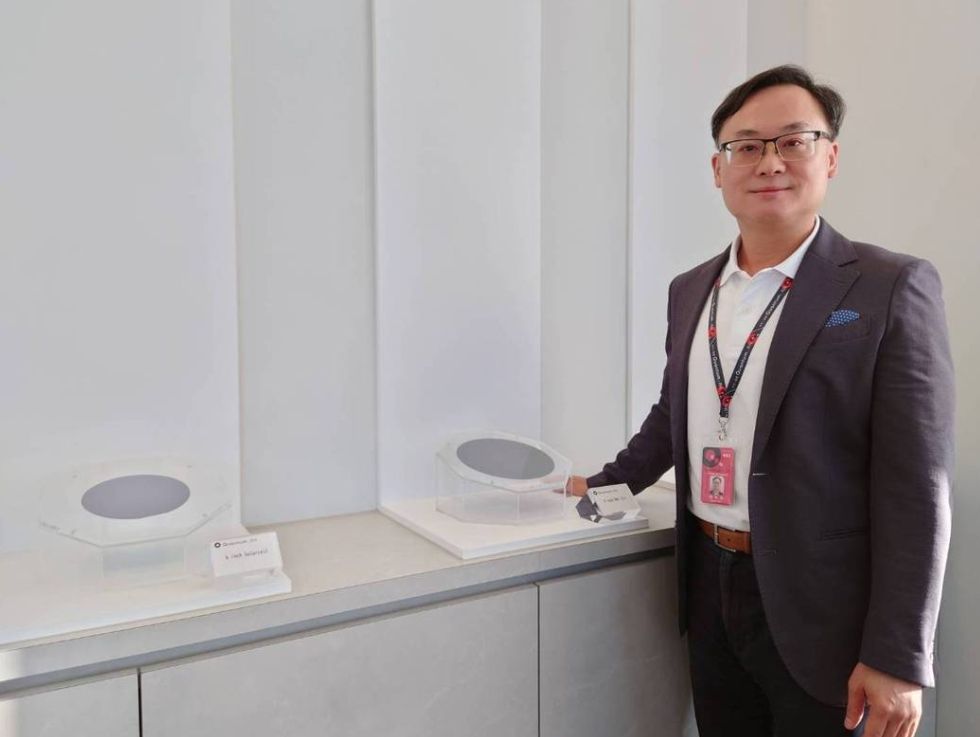
Quantum NIL focuses on compound semiconductor technology, with nanoimprint solutions as its core. The company positions itself as an upstream provider of contract manufacturing services for critical materials, serving clients that span both material and component suppliers. Its core business pillars include compound semiconductors for optical communications, metalenses, biomedical testing, and quantum technology.
Antibacterial Nanostructured Substrate Patent: Unlocking Biomedical Market Opportunities
Dr. Sean Lin holds a Ph.D. in Physics from New York University and has been deeply involved in the optoelectronic semiconductor field for over 20 years. Having just attended the CHEMINAS Japan Association's 53rd Symposium at the University of Tokyo this May, he jointly presented research findings on utilizing nanostructures to inhibit biofilm formation. His work focuses on combining biomedical substrate manufacturing with microfluidic structure technology to achieve the commercialization of "Lab on a Chip" and "Organ on a Chip," as well as developing forward-looking fields such as 3D multiplexed biochips.
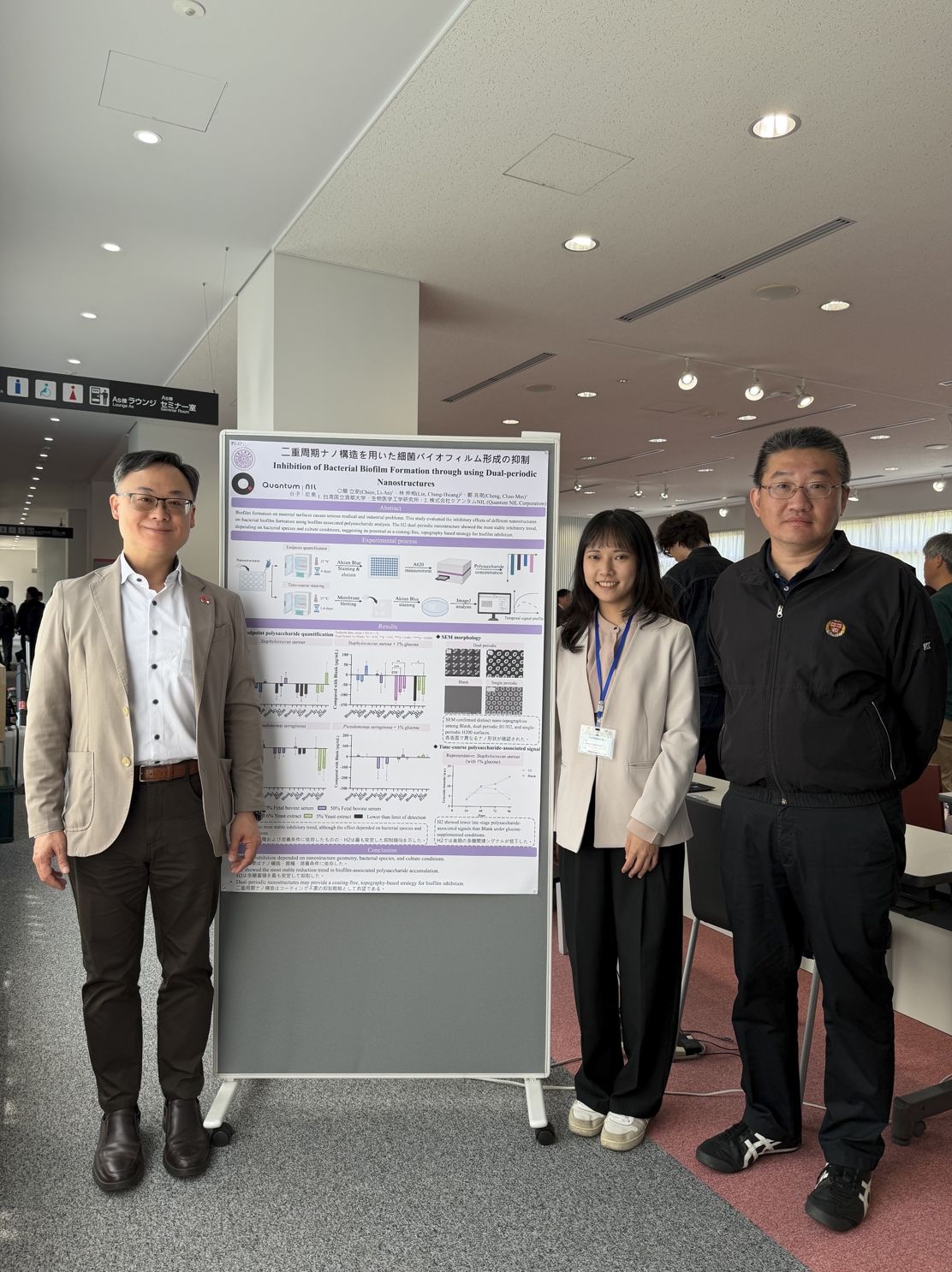
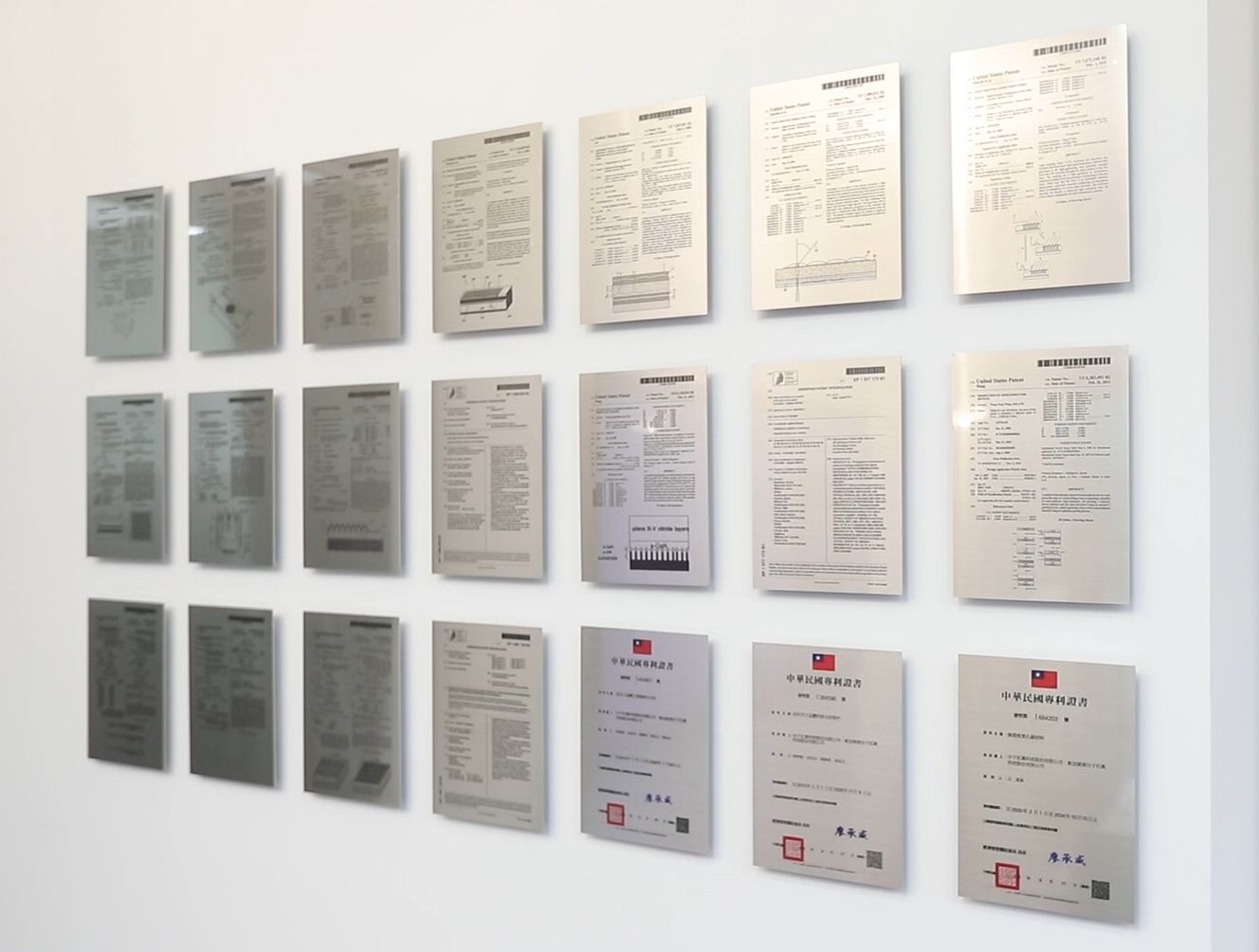
This April, the technology for an "Antibacterial Nanostructured Substrate and Manufacturing Method Thereof" proposed by Quantum NIL successfully obtained a Taiwan invention patent, which remains valid until 2044. This patent was jointly invented by Dr. Sean Lin, Professor Chao-Min Cheng of the NTHU Institute of Biomedical Engineering, Shu-Yun Xu, Kang-Yuan Li, and Robert Langer.
Among these, Robert Langer is one of the co-founders of Moderna and a global pioneer in the development of RNA vaccine technology. Dr. Sean Lin expressed that AI-designed antibacterial nanostructured substrates possess immense commercial application potential. Quantum NIL's one-stop manufacturing platform offers the production flexibility of "high-mix, low-volume," which helps expand commercial applications and market opportunities for AI biomedical substrates.
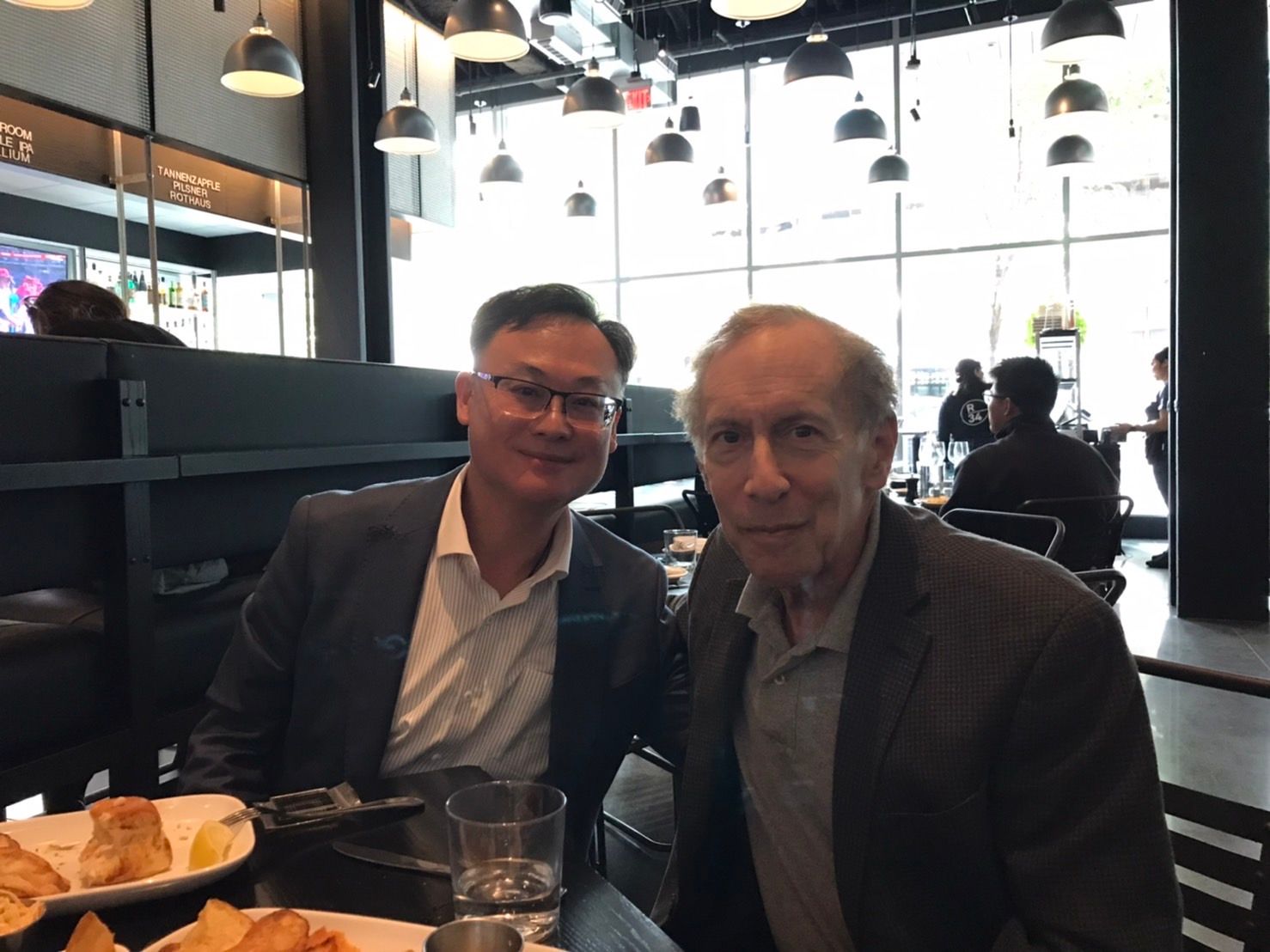
Quantum NIL explores next-generation, high-precision biochip manufacturing solutions with MIT and Harvard University. Pictured from left to right are MIT Professor Robert Langer and Dr. Sean Lin. Along with Professor Chao-Min Cheng of the NTHU Institute of Biomedical Engineering, Shu-Yun Xu, and Kang-Yuan Li, they are the co-inventors of Quantum NIL's patent for the antibacterial nanostructured substrate and manufacturing method thereof. / Photo provided by Quantum NIL
Other News