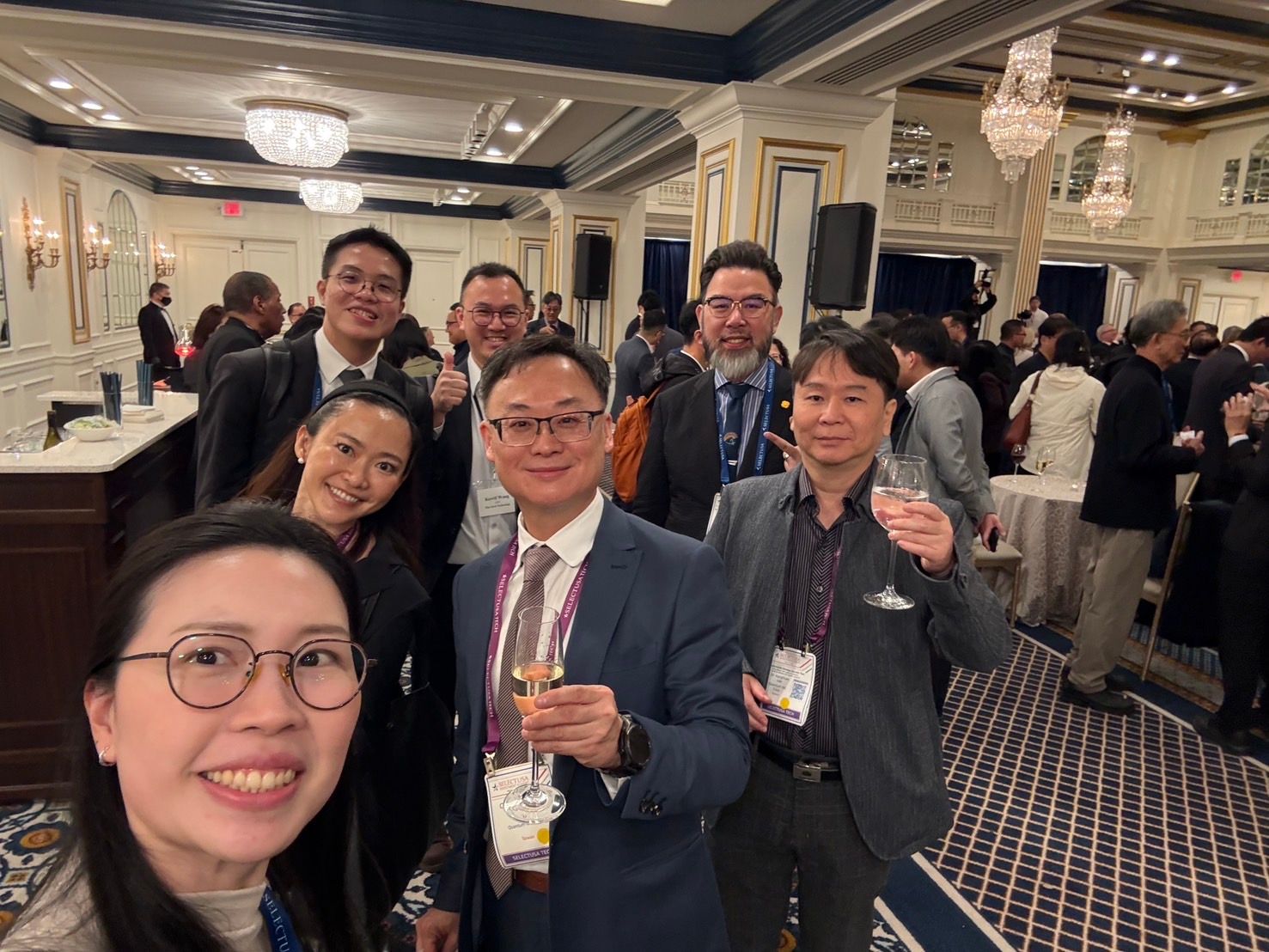
Quantum NIL has been actively expanding its footprint in the international market. Last year, the company participated in a quantum industry exchange itinerary organized by the American Institute in Taiwan (AIT). This year, the firm took an even more proactive step by attending the SelectUSA Investment Summit 2026, an annual flagship investment event hosted by the U.S. Department of Commerce, demonstrating its strong ambition to integrate into the global AI and quantum technology supply chains.
Major economies worldwide are aggressively attracting foreign direct investment to stimulate economic vitality, with the policy directions of China and the United States drawing particular attention. U.S. Commerce Secretary Howard Lutnick personally attended the opening ceremony of the SelectUSA Investment Summit 2026 in May, highlighting the high level of importance and commitment the U.S. government places on international investment cooperation.
Dr. Sean Lin, CEO of Quantum NIL, noted that Taiwan, Japan, South Korea, and the UK have all been actively investing in the U.S. in recent years, with Taiwan maintaining the largest delegation at SelectUSA for three consecutive years. Led by two cabinet-level officials for the first time this year, Taiwan's tech sectors and traditional industries alike are placing immense strategic value on the vast potential of the U.S. market.
As U.S. President Donald Trump vigorously pushes his "Reshoring American Manufacturing" policy, coupled with the skyrocketing demand for advanced semiconductor manufacturing processes driven by the rapid development of AI, enterprises are more actively evaluating the strategic value of investing and expanding in the United States.
Dr. Sean Lin pointed out that although semiconductors are an investment area highly valued by the U.S., they were not specifically listed as a heavily promoted item at this year's SelectUSA. In contrast, industries such as the AI supply chain, quantum computing, drones, and the defense industry have become key sectors actively recruited and nurtured by various states. These fields hold immense market potential and are attracting Taiwanese manufacturers to establish their presence.
In recent years, many traditional industries, after passing the reins to second-generation successors, have also been actively seeking new investment opportunities in the U.S. while stabilizing existing markets. For instance, a copper wire and cable manufacturer has proactively visited the U.S. market for inspection, targeting the construction demands of computing centers.
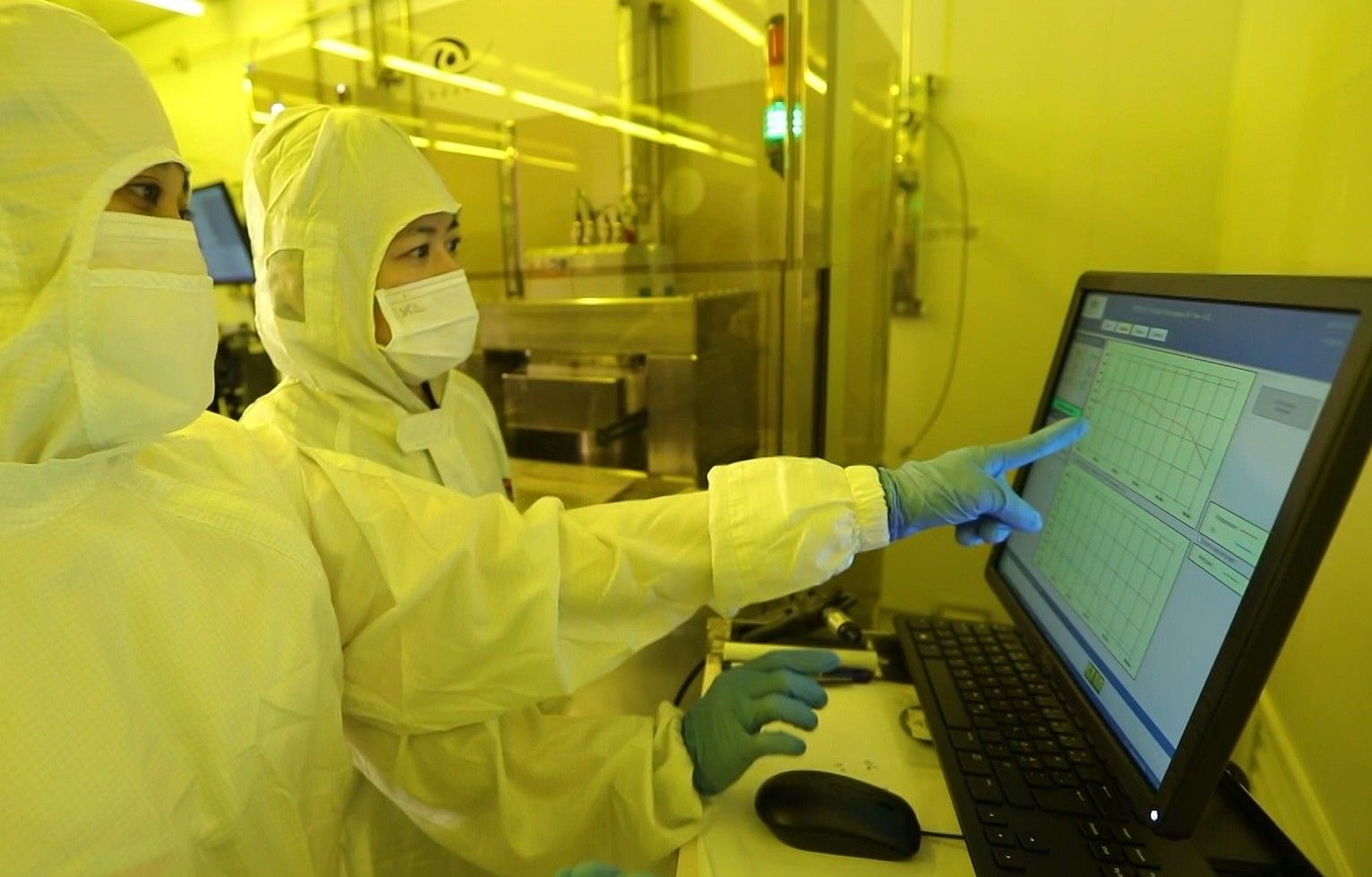
Quantum NIL focuses on compound semiconductor technology, with nanoimprint solutions as its core. The company positions itself as an upstream provider of contract manufacturing services for critical materials, serving clients that span both material and component suppliers. Its core business pillars include compound semiconductors for optical communications, metalenses, biomedical testing, and quantum technology. Dr. Sean Lin believes that participating in SelectUSA allows the company to more directly grasp global market demands and industry trends, thereby accelerating its integration into the international quantum technology ecosystem.
He further pointed out that Northern Virginia in the United States is a vital hub for government and defense-related industries, bringing together enterprises looking to secure government and defense contracts. As the competitive landscape of the global technology supply chain accelerates its changes, Taiwanese small and medium-sized enterprises (SMEs) can leverage their flexibility and adaptability to carefully plan their layouts and seize new opportunities arising from the global supply chain restructuring wave.
Dr. Sean Lin noted that the U.S. possesses clear advantages in energy independence and cutting-edge technologies. Its collaboration with trusted allies to strengthen and restructure supply chain resilience has captured the attention of global enterprises. Since the COVID-19 pandemic in 2020, the trend of global manufacturing supply chains shifting toward Balkanization has become increasingly pronounced, prompting nations to readjust their manufacturing layouts and regional investment strategies. In the coming years, driven by major-power competition, the world will enter a critical phase of global industrial structure and regional economic reconfiguration, which will deeply influence the strategic mindset of startups.
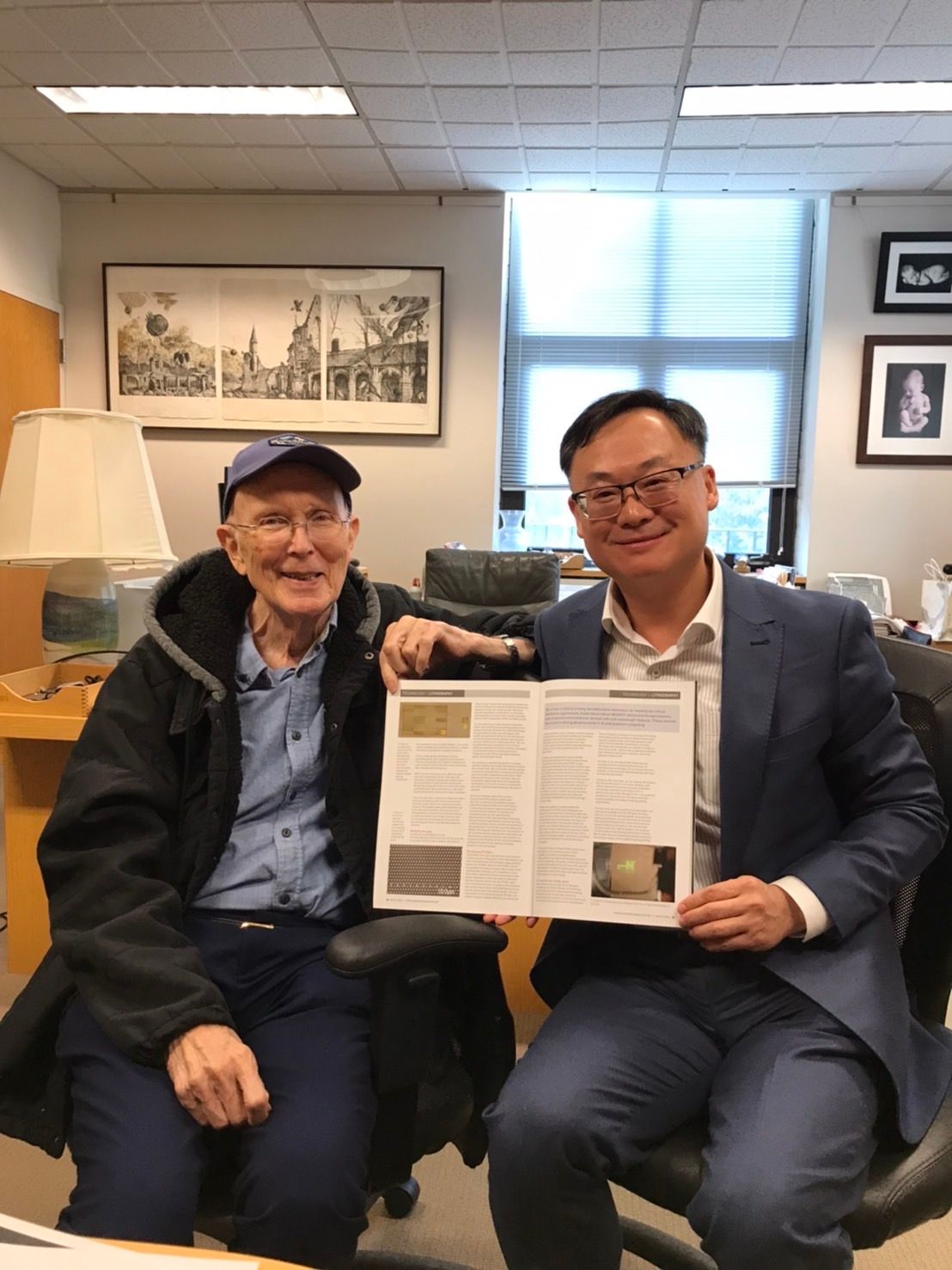
Dr. Sean Lin stated that under the support of federal government policies and the integration of industrial resources, the United States is not only continuously investing massive resources into building AI computing centers but is also simultaneously promoting a huge infrastructure upgrade plan. This effort to comprehensively overhaul America with its 250-year history will bring an unprecedented wave of development opportunities for the global technology and manufacturing industries.
Dr. Lin, who holds a Ph.D. in Physics from New York University, formerly served as the General Manager of the Nanoimprint Business Group at IQE and of Formosa Epitaxy, and has been deeply involved in the optoelectronic semiconductor field for over 20 years. He pointed out that although quantum technology is still in its early stages of commercialization, major breakthroughs are expected within the next few years due to the active involvement of governments and international conglomerates.
Quantum computing possesses the dual advantages of massive computing power and lower energy consumption, making it the core of the next-generation hybrid AI computing architecture. Compared to the high power-consuming GPU architecture, it holds greater potential for green development. The new generation of computing center architecture based on all-optical transmission will also drive a major new wave of growth in the optical communication semiconductor industry.
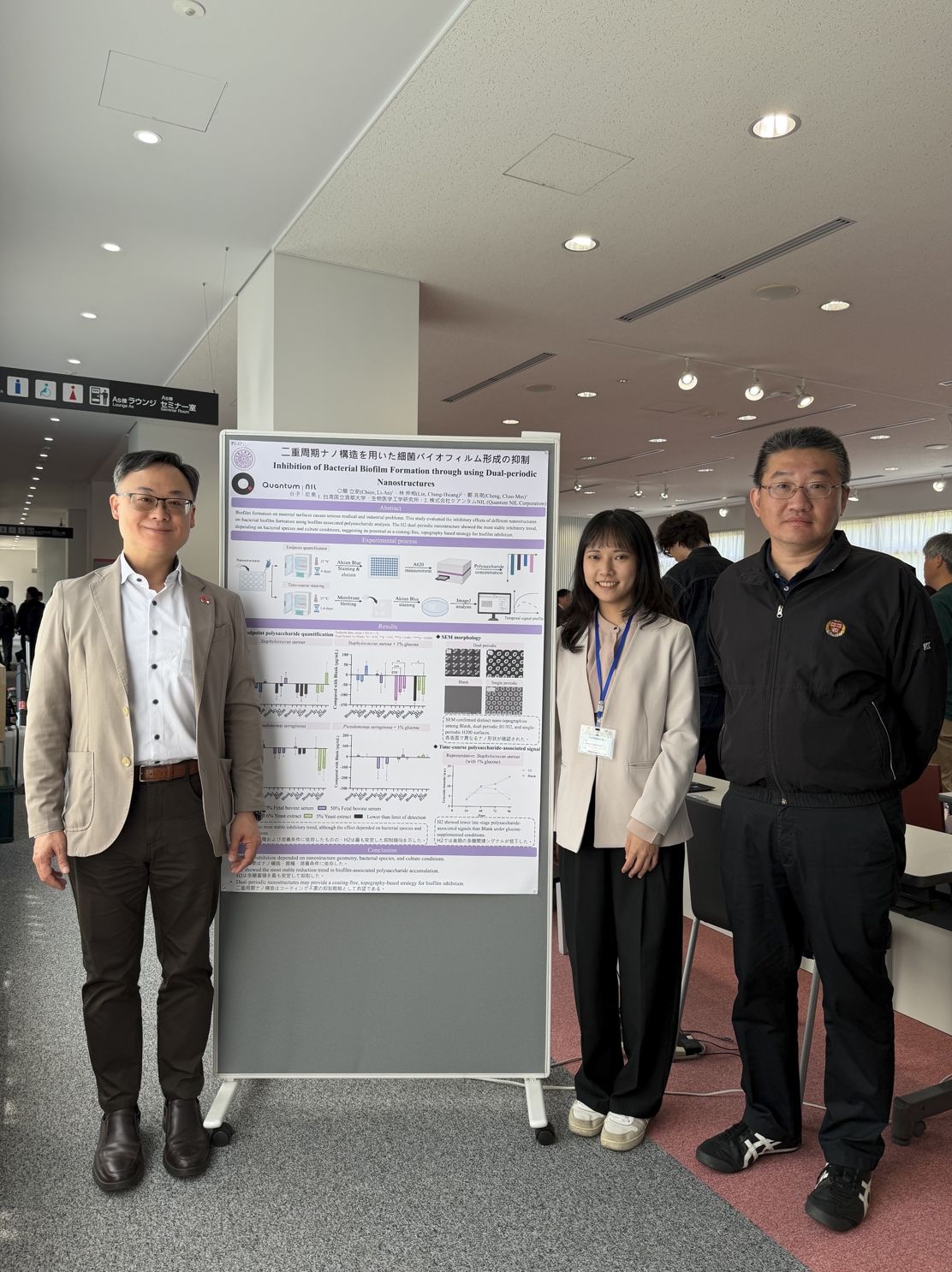
In May of this year, Dr. Sean Lin participated in the 53rd Symposium held by the CHEMINAS Japan Association at the University of Tokyo, focusing on combining biomedical substrate manufacturing with microfluidic structure technology to achieve the commercialization of "Lab on a Chip" and "Organ on a Chip," and further develop forward-looking fields such as 3D multiplexed biochips.
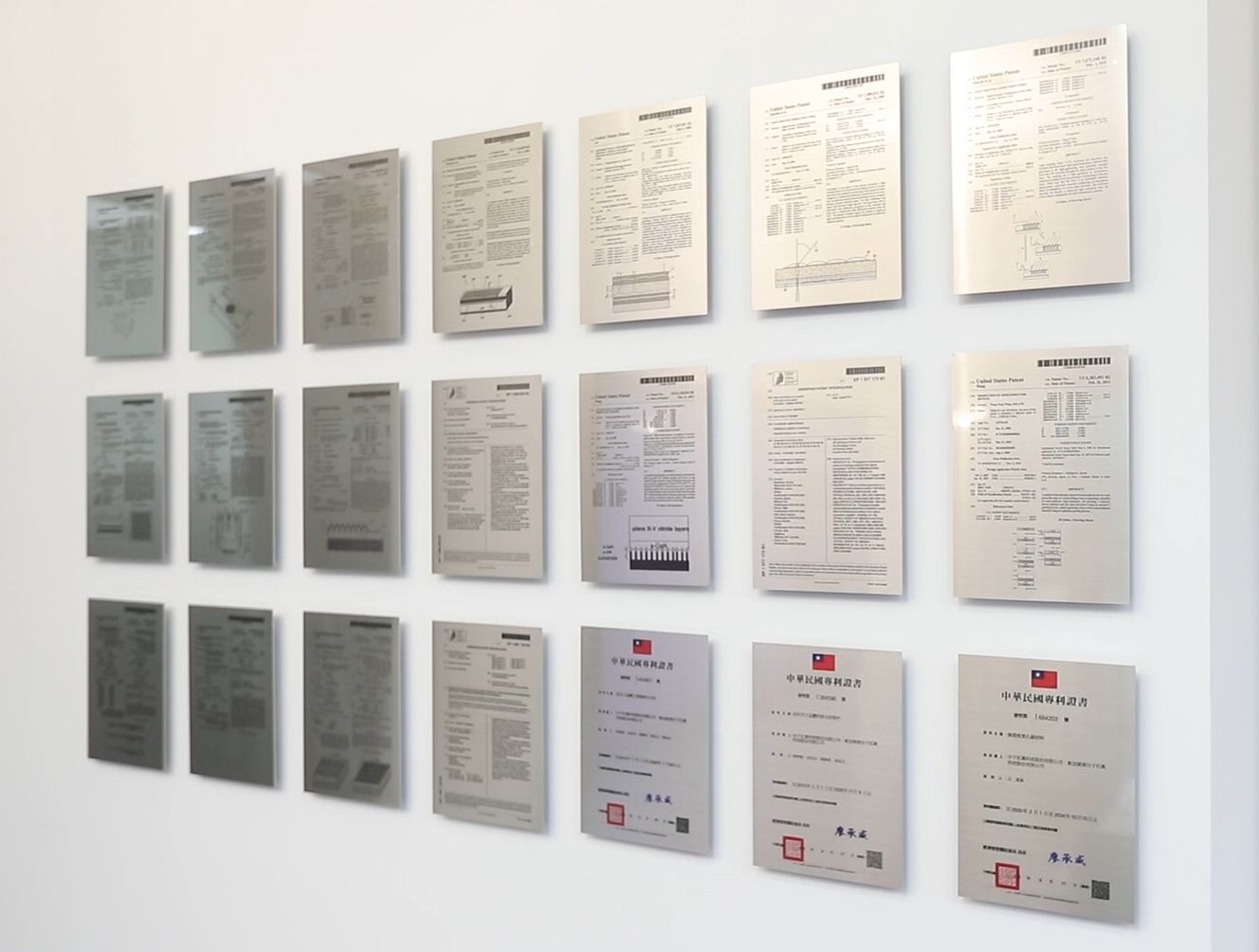
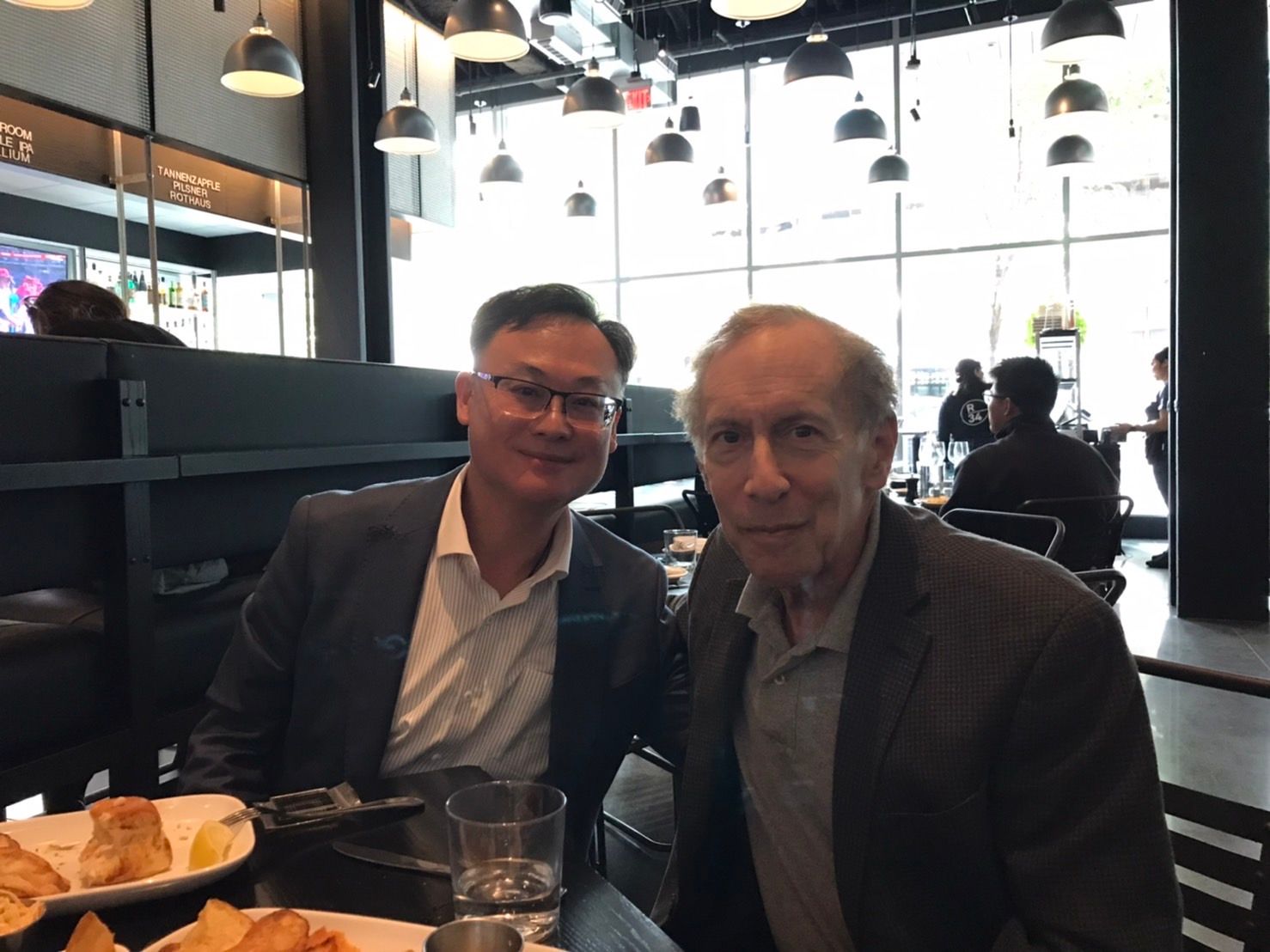
Additionally, the technology for an "Antibacterial Nanostructured Substrate and Manufacturing Method Thereof" proposed by Quantum NIL obtained a Taiwan invention patent in April this year, valid until 2044. Dr. Sean Lin, Professor Chao-Min Cheng of the NTHU Institute of Biomedical Engineering, Shu-Yun Xu, Kang-Yuan Li, and Robert Langer are co-inventors. Robert Langer is one of the co-founders of Moderna and a global pioneer in RNA vaccine technology development.
Dr. Sean Lin expressed that AI-designed antibacterial nanostructured substrates possess immense commercial application potential. Quantum NIL's one-stop manufacturing platform offers the production flexibility of "high-mix, low-volume," which helps expand commercial applications and market opportunities for AI biomedical substrates.
Founded in August 2022, Quantum NIL continuously focuses on the field of quantum technology. Its corporate identity consists of a black hollow circle paired with red and white dots, representing a quantum interpretation imagery through abstract design. This year, the company also launched various corporate identity merchandise, using a minimalist double-circle design paired with the text "Quantum NIL" as its brand identity, and successfully obtained a U.S. trademark. Dr. Sean Lin believes that the quantum trademark is not only a vital intangible asset for the company, but also represents the firm's ambition for innovation and international layout.
Other News