The Rise of Metalens: Quantum NIL Targets AI Optical Communication
Business & International Collaboration - 2026-04-07
Photo provided by Quantum NIL.
“Optical In, Copper Out”: The Rise of Short-Range AI Server Communication
Since Q3 2025, optical communication has become a buzzing topic in the tech industry. Optimistic about the future of AI, various players—including laser manufacturers, Micro LED firms, and traditional LCD panel makers—have pivoted toward the AI supply chain via optical communication. Among them, Quantum NIL is actively driving the application and development of Metasurface components.
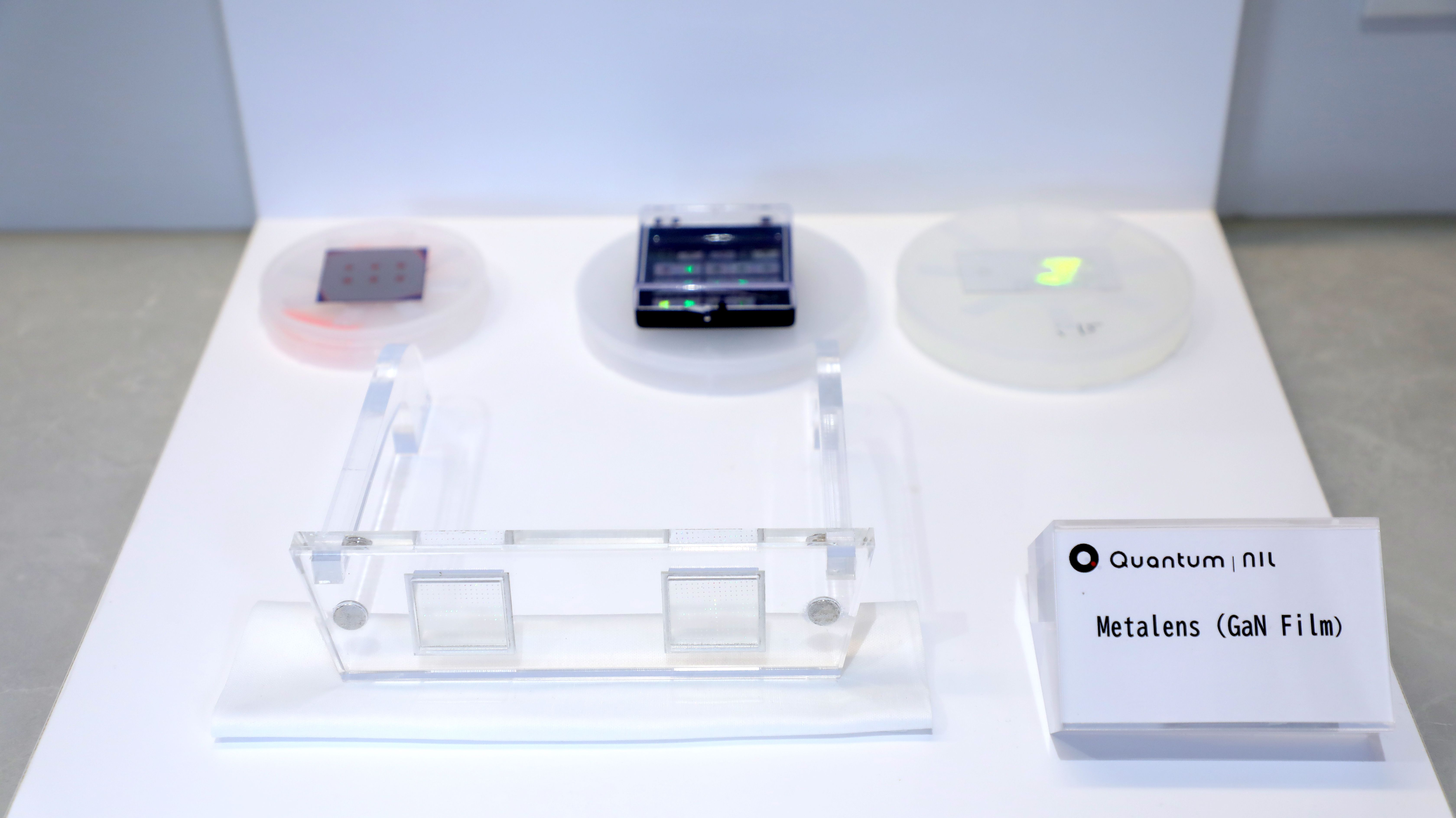
CEO Sean Lin of Quantum NIL, points out that as the market for short-range AI server communication rises, the transition of "Optical In, Copper Out" is playing a pivotal role in technological iteration. Specifically, the "Metalens"—derived from combining Micro LED with Metasurface—is playing an increasingly critical role in optical communication. Its core value lies not in display technology, but in high-speed data transmission.
Promising Outlook for Optical Communication Drives Quantum Computing Startups
In March this year, NVIDIA announced a $2 billion investment each into optical communication giants Lumentum and Coherent, further validating the industry's bright prospects. Jensen Huang’s strategic moves consistently draw global attention; notably, NVIDIA has also been aggressively investing in quantum computing startups, earning it the reputation as the largest financier in the computing power industry. Further analysis reveals that these two U.S.-based optical communication leaders have already secured production capacity from two major Japanese substrate manufacturers, aiming to lock down critical resources for communication light source materials.
Following his participation in the "UK-Taiwan Critical Minerals Resilience Summit" on March 24-25—where he discussed global demand trends and national mineral strategies—Sean Lin has been invited as a guest speaker for the "Metalens Technology and Application Forum" at the Touch Taiwan 2026 exhibition on April 9.
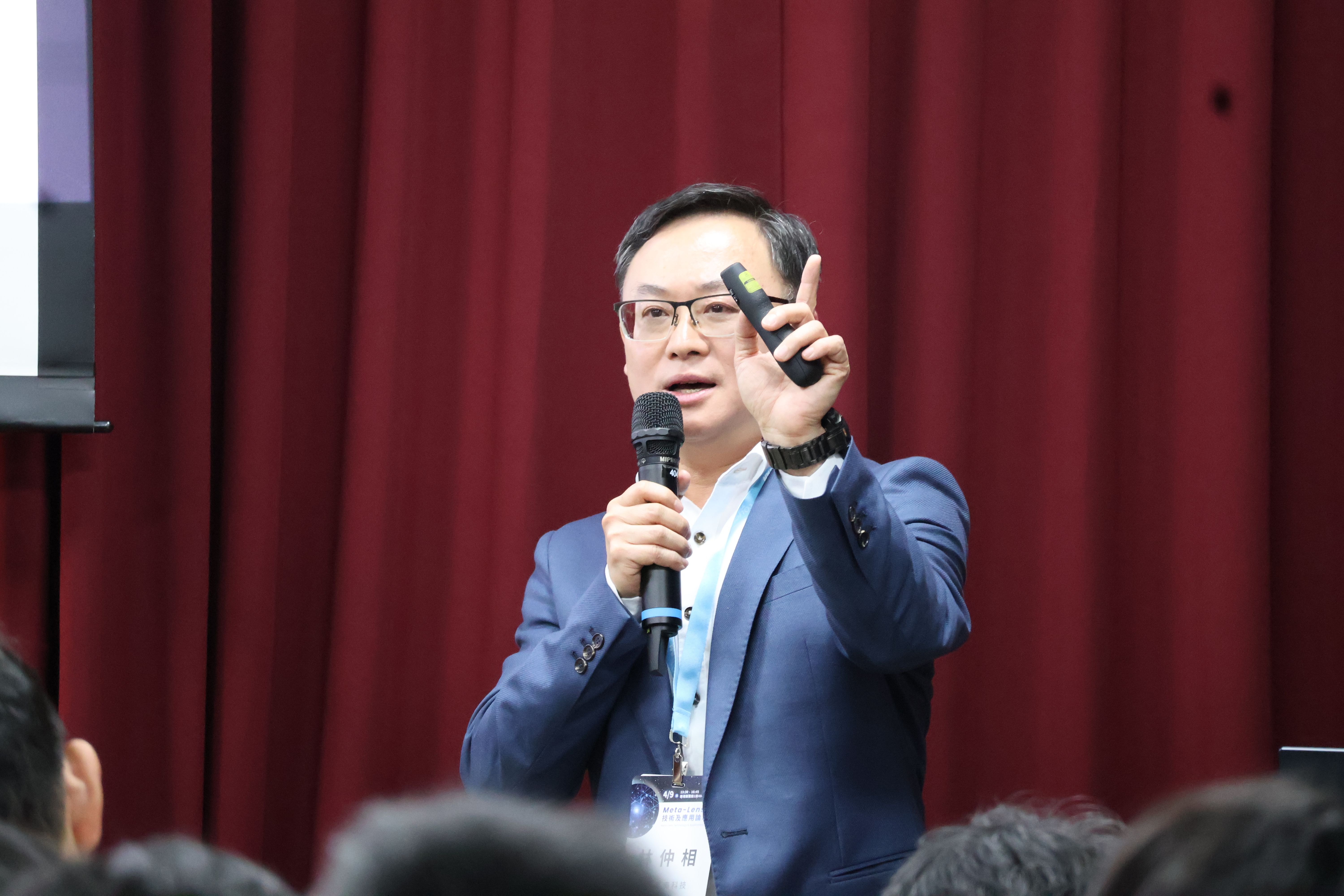
Dr. Sean Lin, Founder and CEO of Quantum NIL. Photo provided by Quantum NIL.
Lin emphasized that competition in photonics, optical communication, and advanced displays will become a core future issue. He noted that geopolitical tensions have led to the weaponization of key resources. Currently, strict export controls on rare earths and critical minerals are significantly impacting the stable supply of materials like Indium and Gallium, which are essential for Gallium Arsenide (GaAs) and Indium Phosphide (InP) substrates—a trend that requires close monitoring.
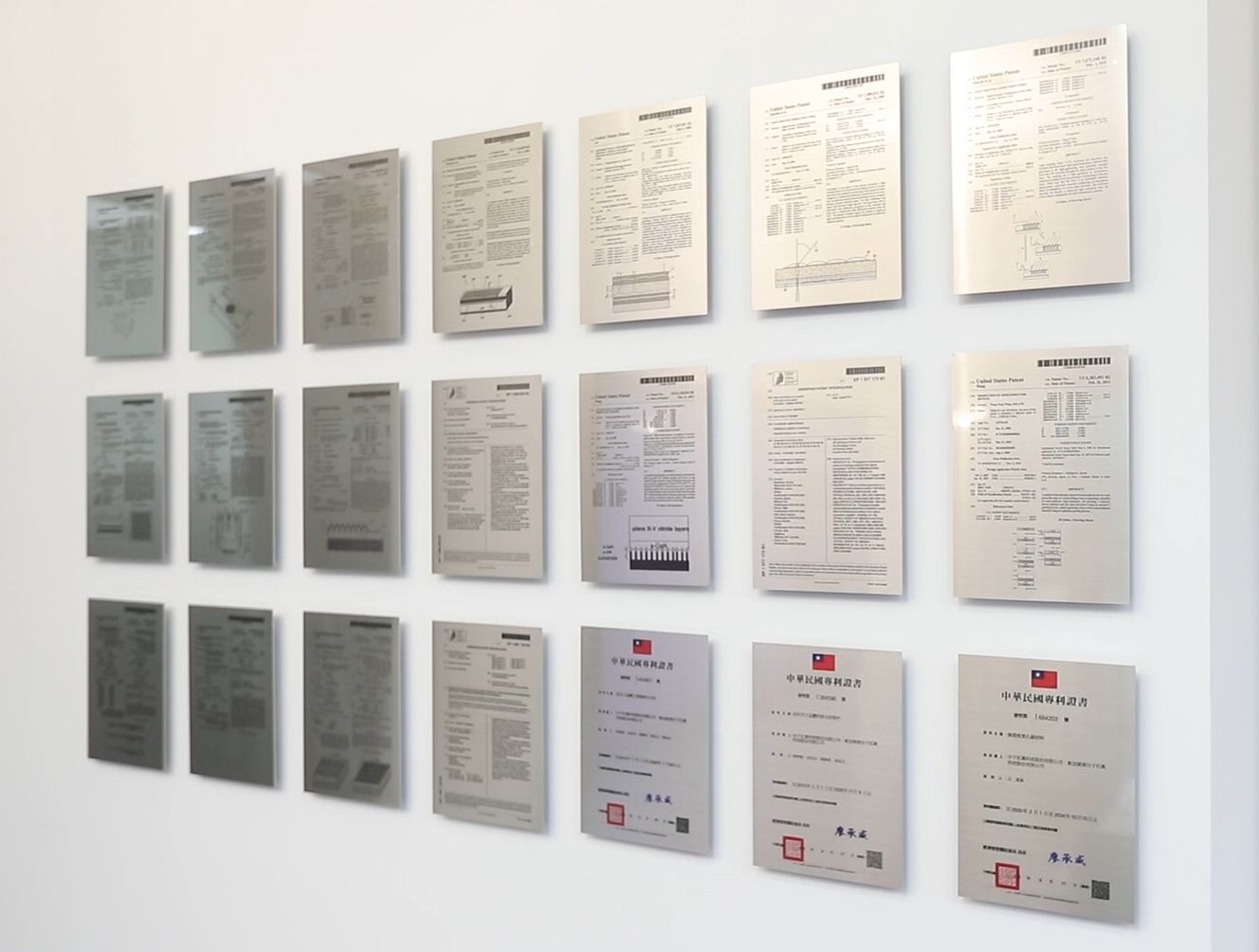
The prospects for heterogeneous integrated semiconductor material engineering are equally promising. Quantum NIL positions itself in early-stage R&D and small-scale manufacturing while accelerating its patent portfolio for key technologies. Early last month, Lin traveled to Boston for a business inspection and met again with Harvard University Professor George M. Whitesides.
Lin noted that Professor Whitesides is the pioneer of Soft Lithography and the doctoral advisor to Academia Sinica President Wong Chi-huey. Their meeting delved into the application of nanoimprint technology in biochips. Quantum NIL is currently planning to recruit this heavyweight scholar as the company’s chief advisor.
Strategic Deepening: Integrating into the U.S. Quantum Frontier Supply Chain
Lin Chung-hsiang stated that the evolution from traditional LCD panels to Mini LED and Micro LED is driving a generational shift in display technology. Recognizing the massive potential of optical communication in next-generation semiconductor components, many companies are now pivoting. The key technologies involved in this transition, including quantum physics, show vast potential across various industries.
While Taiwan's quantum R&D and manufacturing are still in their infancy, Lin observed that the U.S. is aggressively leading high-tech development. A significant warning sign is that the next-generation computing chip supply chain is clearly and gradually reducing its reliance on Asian manufacturing. In response to this trend, Quantum NIL is not only expanding its international footprint but also deepening its supply chain relationships with frontier institutions in the U.S., striving to secure a critical position in the global quantum industry supply chain of the future.