The scale of AI computing power has become a symbol of national strength. Consequently, the semiconductor supply chain has been elevated to a matter of national security, making "geopolitical economics" a mandatory course for enterprises in the field. From chip manufacturing and substrates to cooling systems and server racks, these manufacturing technologies form the core of the AI semiconductor ecosystem. While the risk of an "AI bubble" has not yet fully materialized, market dynamics remain tense. Whether the industry's future will adopt a "Copenhagen Interpretation" mode of thinking—where multiple possibilities coexist until a definitive path is forged—awaits the guidance of a new generation of visionary entrepreneurs.
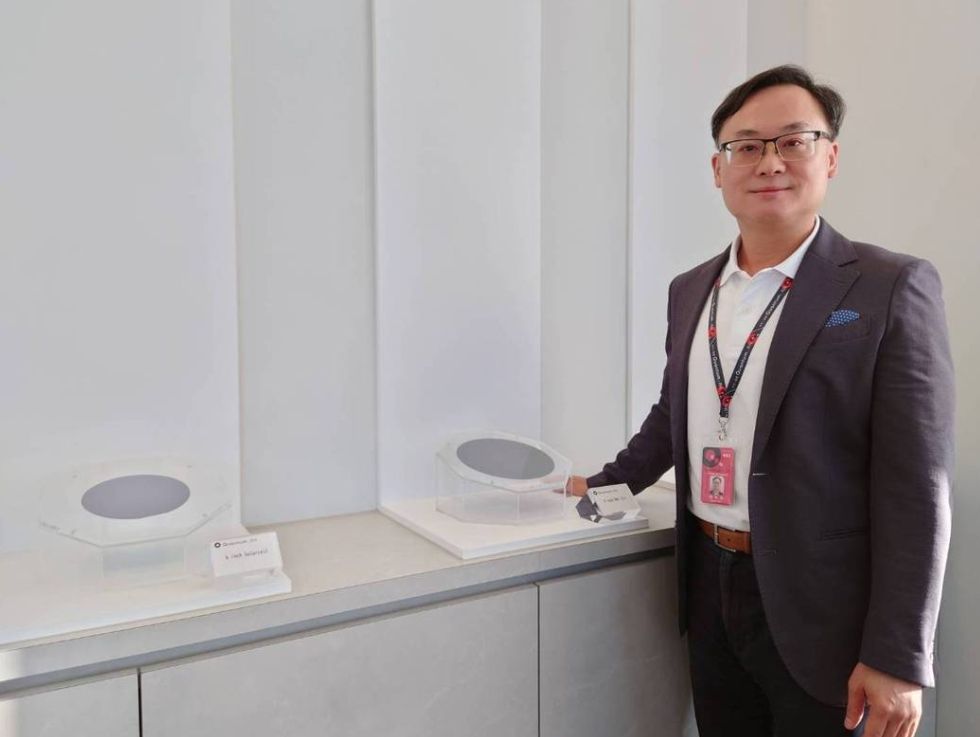
Dr. Sean Lin, CEO of Quantum NIL, observes that as quantum technology matures, it is expected to gradually displace the high-performance computing (HPC) market currently dominated by silicon processes. Recent drastic shifts in the international landscape have sparked intense global interest in whether these changes will disrupt the sustainable development of the AI semiconductor industry.
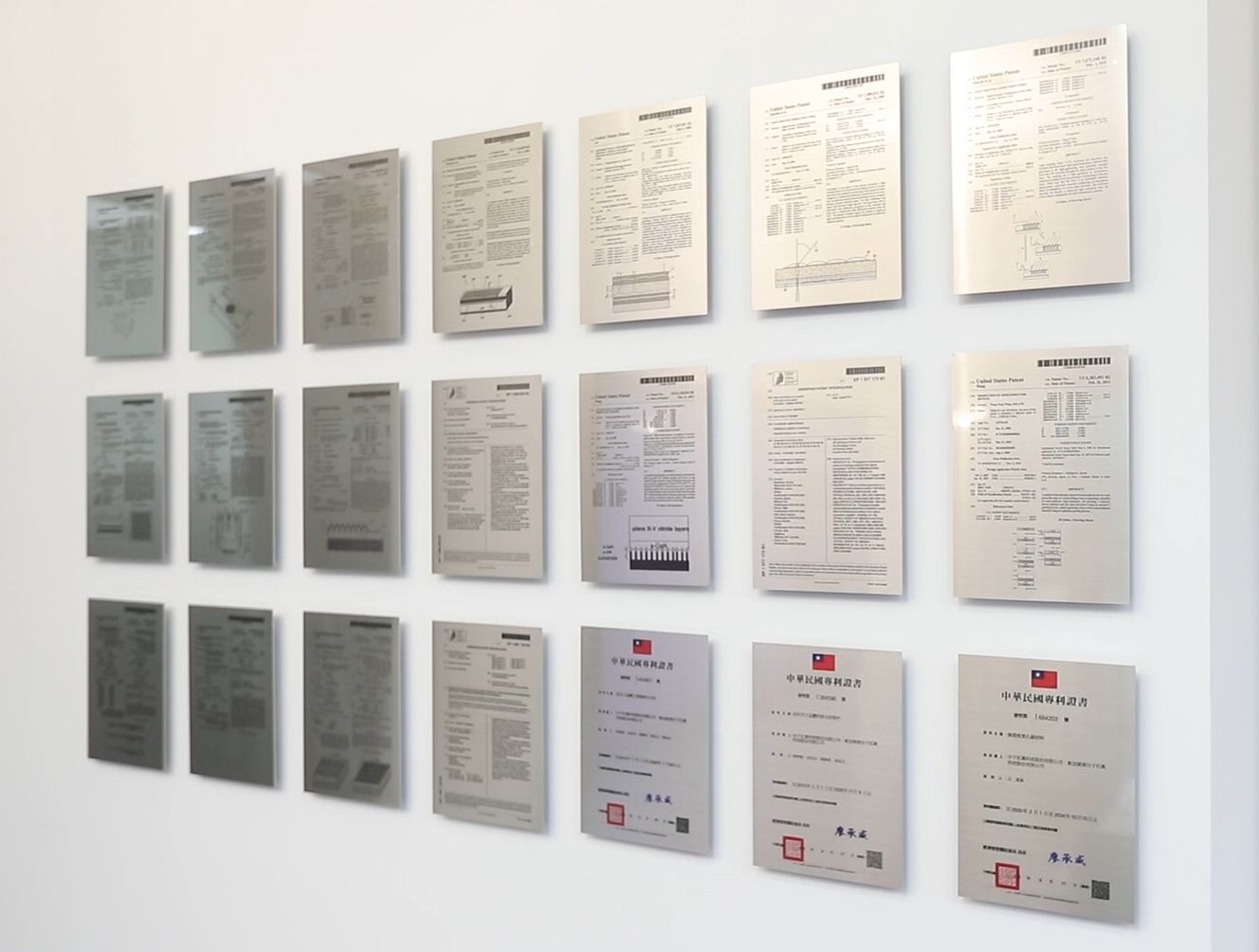
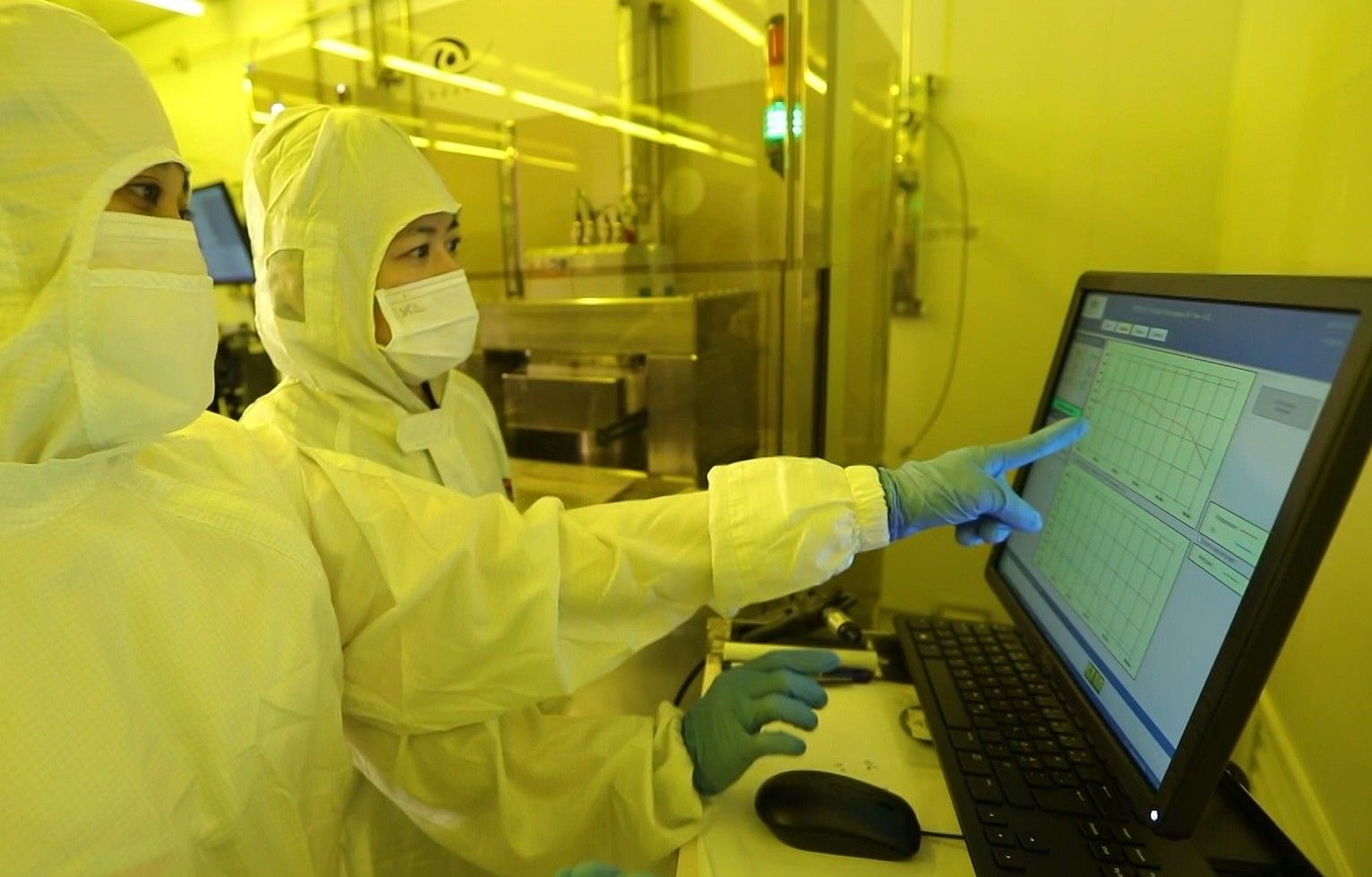
The quantum industry is evolving into a giant with the same influence as AI semiconductors. However, the market is trending toward a "winner-takes-all" oligopoly, placing immense pressure on SMEs and startups. Quantum NIL focuses on the application of Nanoimprint Lithography (NIL), developing proprietary core technologies and integrating unique processes to actively expand into the foundry market for third-generation semiconductors and metasurfaces. With a goal of disruptive innovation, Quantum NIL invests in upstream quantum R&D and is building its own Process Design Kit (PDK) to provide clients with comprehensive manufacturing solutions. As Dr. Lin puts it: "By interpreting quantum thinking, we foresee the future ecosystem of the quantum industry."
With an extensive background in the compound semiconductor industry, Dr. Sean Lin maintains a keen eye on global industrial shifts and international relations. He points out that in today’s rapidly changing technological landscape, decision-making must evolve through a "multimodal perspective." Even though Taiwan currently holds an overwhelming advantage in the AI semiconductor sector, it must remain cautious in addressing emerging challenges.
While Taiwan leads in advanced semiconductor manufacturing, core hardware and software intellectual property remain dominated by U.S. enterprises, deeply linking Taiwan’s growth to the international supply chain. Whether the commercialization of quantum technology will follow this same trajectory requires close observation. Dr. Lin believes there is significant room to enhance Taiwan’s quantum research capabilities and development environment. He noted that the selection of Professor Ray-Nien Kuan (Chang Ching-ray)—a leading figure in Taiwan’s quantum science and a Foxconn board member—for the UNESCO "Quantum 100" last year serves as a major inspiration for Taiwan’s quantum roadmap.
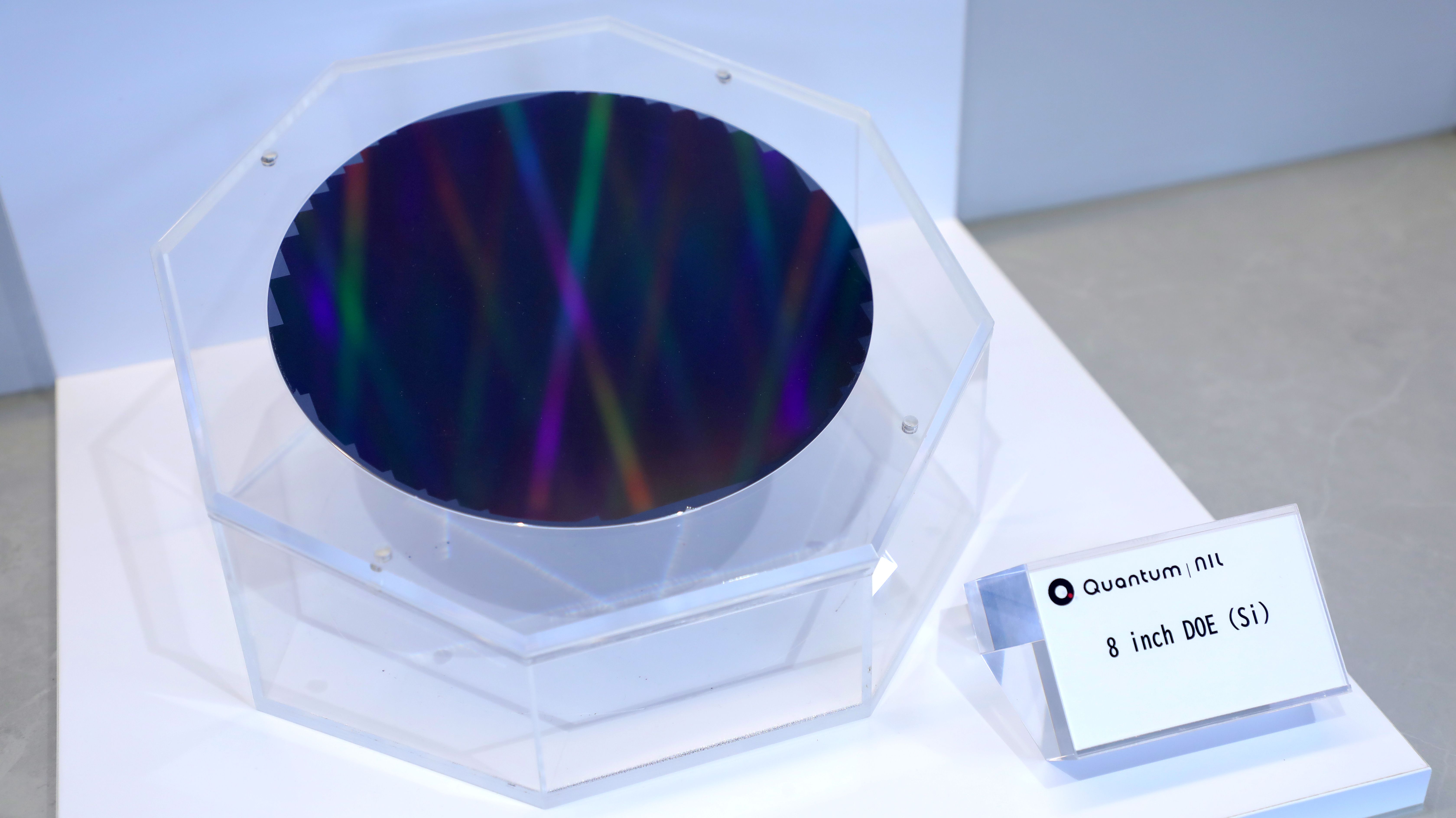
To support future growth, Dr. Sean Lin continues to deepen strategic ties with the United States. Following his participation in the SelectUSA series last year as a representative of Quantum NIL alongside other elite Taiwanese enterprises, he expects to participate again this year. His plans include a trip to Boston in March to meet with professors from MIT and Professor George Whitesides of Harvard University to drive forward-looking developments in the intersection of quantum technology and biotechnology.
As the U.S. aggressively promotes a manufacturing renaissance, Dr. Lin views the Digital Twin platform as the core of next-generation high-efficiency manufacturing. With the internalization of AI in the manufacturing sector, he believes the U.S. has the potential to "leapfrog on the curve." Taiwan’s vast accumulated big data in manufacturing holds critical value for building Digital Twins. By combining this data with Quantum NIL’s flexible foundry platform, the company aims to pioneer new manufacturing trends. Dr. Lin emphasizes that multimodal thinking and a deep interpretation of international political and economic trends are vital for startups. From "Quantum Politics" to the "Copenhagen Interpretation," his insights reflect a profound understanding of the logic and mindset required for a true trendsetter.
Other News