Quantum NIL Excels in Nanoimprint Technology: Driving Energy-Efficient, Low-Carbon, and Cost-Effective Solutions
Business & International Collaboration - 2025-09-09
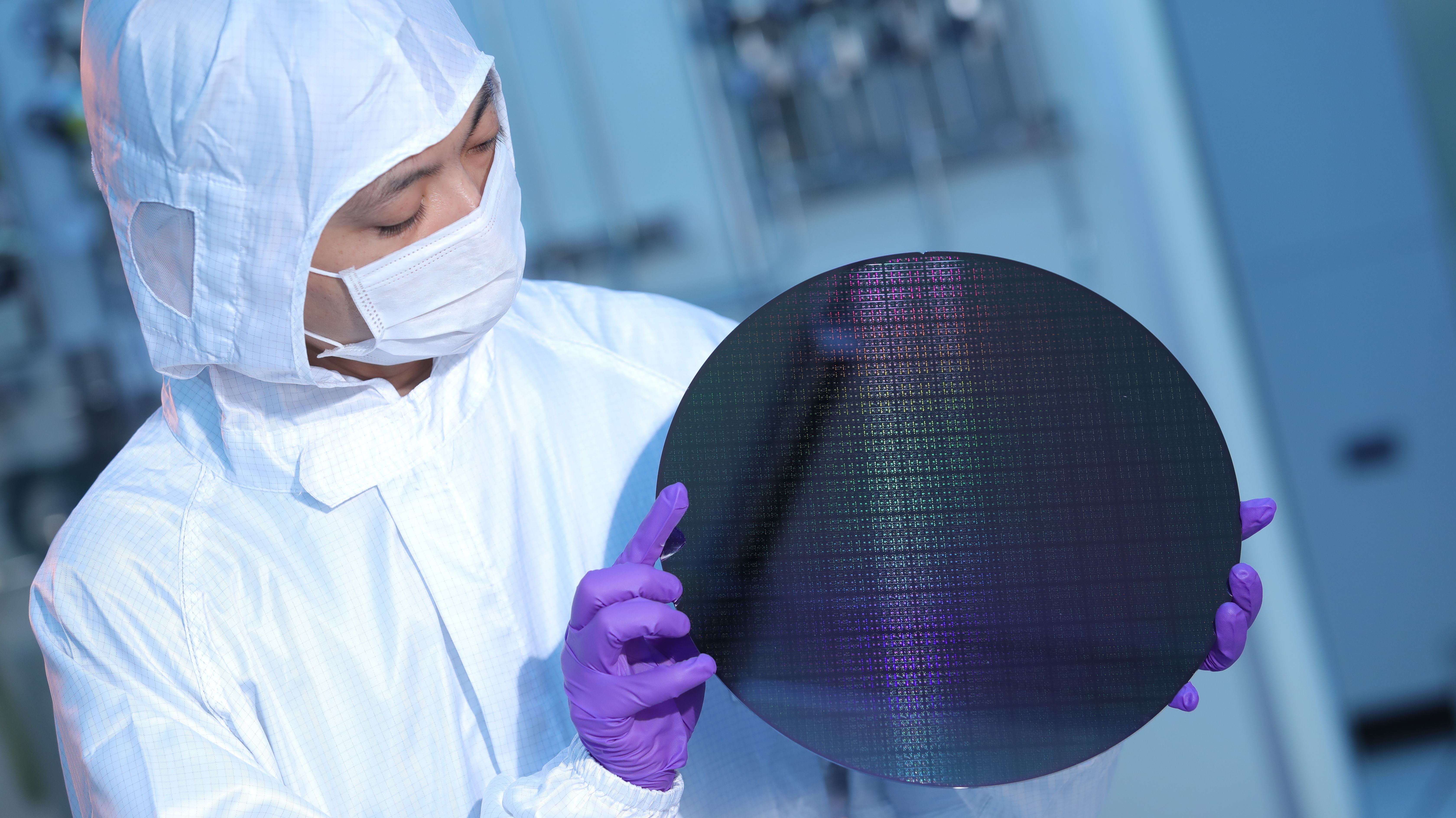
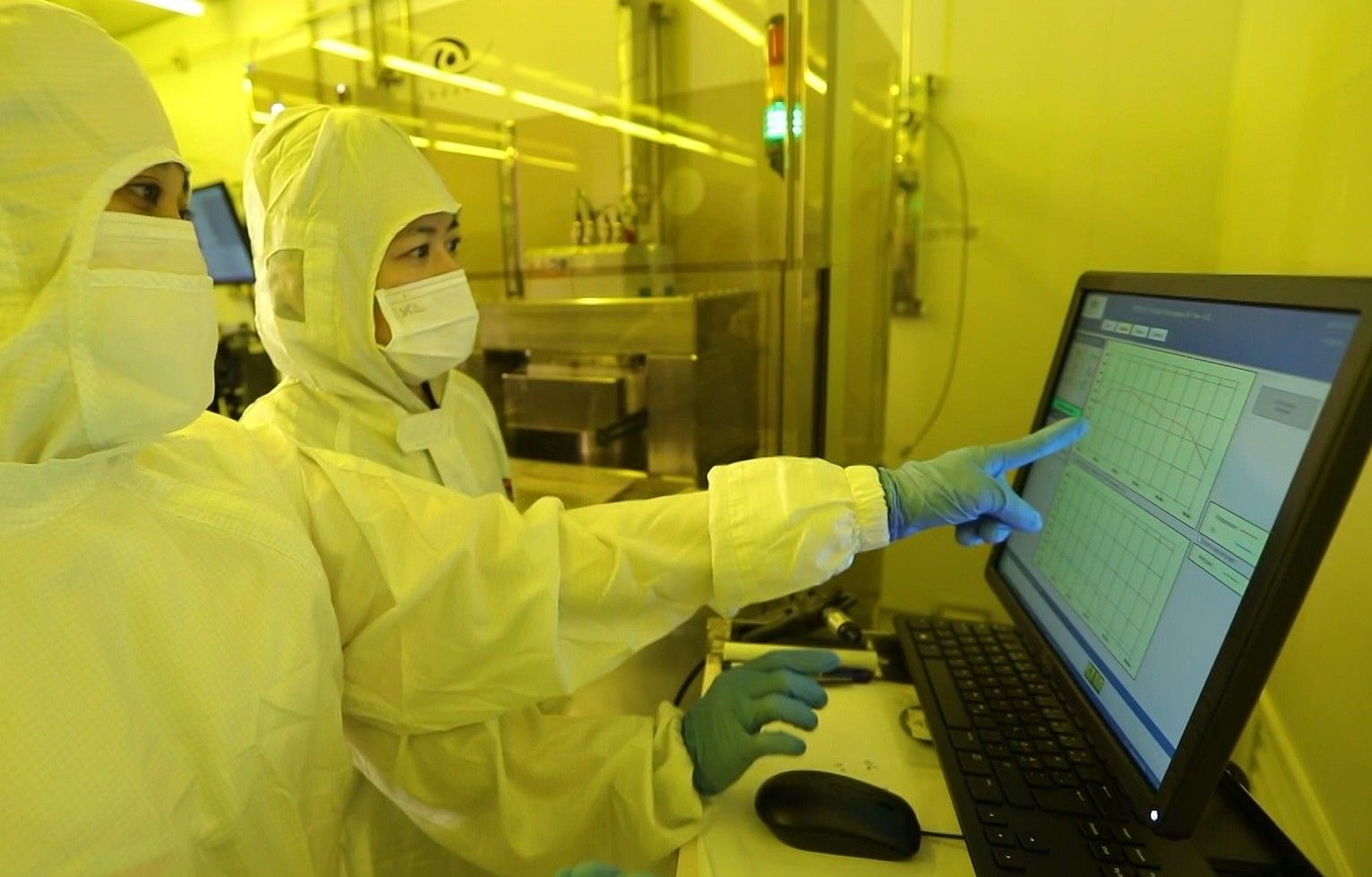
Quantum NIL specializes in nanoimprint technology, offering professional foundry services for high-end nanopatterning in products like AI chips, AR glasses, and Metalenses. Photo provided by Quantum NIL.
Nanoimprint Lithography:
The Key to Manufacturing Next-Gen
Electronic and Optical Devices
Future AI chips, AR glasses, and even quantum optical devices may soon be manufactured using "imprinting" methods. As AI and quantum technologies advance rapidly, traditional large-scale manufacturing processes are struggling to keep pace with the highly versatile design requirements of AI.
Among these emerging technologies, Nanoimprint Lithography (NIL) is standing out as a new process capable of producing ultra-fine and high-precision structures at low cost and with a low carbon footprint. Not only does NIL enhance performance, but it also offers greater flexibility and energy efficiency, positioning it as the critical key to manufacturing the next generation of electronic and optical devices.
Professional Foundry Services:
Customizing Complex and Precise
Nano-structures
Quantum NIL has deeply cultivated the field of nanoimprint technology, providing high-end nanopatterning foundry services specifically for high-tech products such as AI chips, Augmented Reality (AR) glasses, and Metalenses. With a team boasting extensive backgrounds in materials science and compound semiconductors, the company can produce complex and precise nano-structures tailored to specific client needs. As global demand for power-saving, high-performance optoelectronic products grows, Quantum NIL is leveraging its vision and technical prowess to bolster the international standing and competitiveness of Taiwan's nano-manufacturing industry.
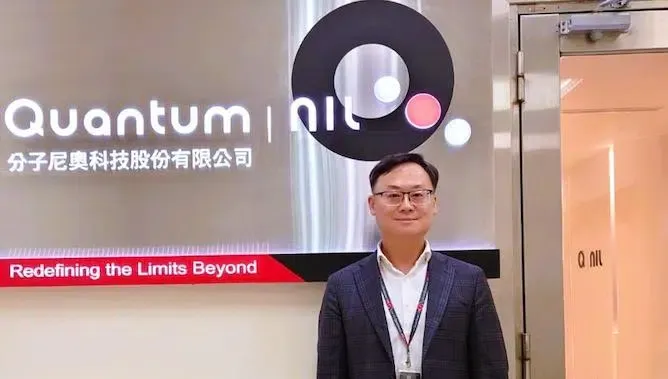
Dr. Lin Chung-hsiang, Founder and CEO of Quantum NIL. Photo provided by Quantum NIL.
One of the founders, Dr. Lin Chung-hsiang, holds a B.S. in Physics from National Taiwan University and a Ph.D. in Physics from New York University. An expert in photonic crystal theory and manufacturing, Dr. Lin previously served as General Manager of the Nanoimprint Business Group at IQE in the UK and at Arima Optoelectronics in Taiwan. He has channeled over 20 years of experience in the optoelectronic semiconductor field into the foundation of Quantum NIL. He points out that as AI-driven design methods evolve, they are leading quantum technology toward highly complex and quasi-random design architectures that optimize system integration and performance.
Process Innovation:
Addressing the Pain Points of Traditional Photolithography
The trend toward AI-driven design presents significant challenges for traditional photolithography, especially when dealing with highly diverse structural designs and ultra-small patterns. Traditional lithography faces barriers in resolving complex patterns while struggling to balance flexibility, efficiency, and cost control, making it difficult to scale for "low-volume, high-variety" production needs.
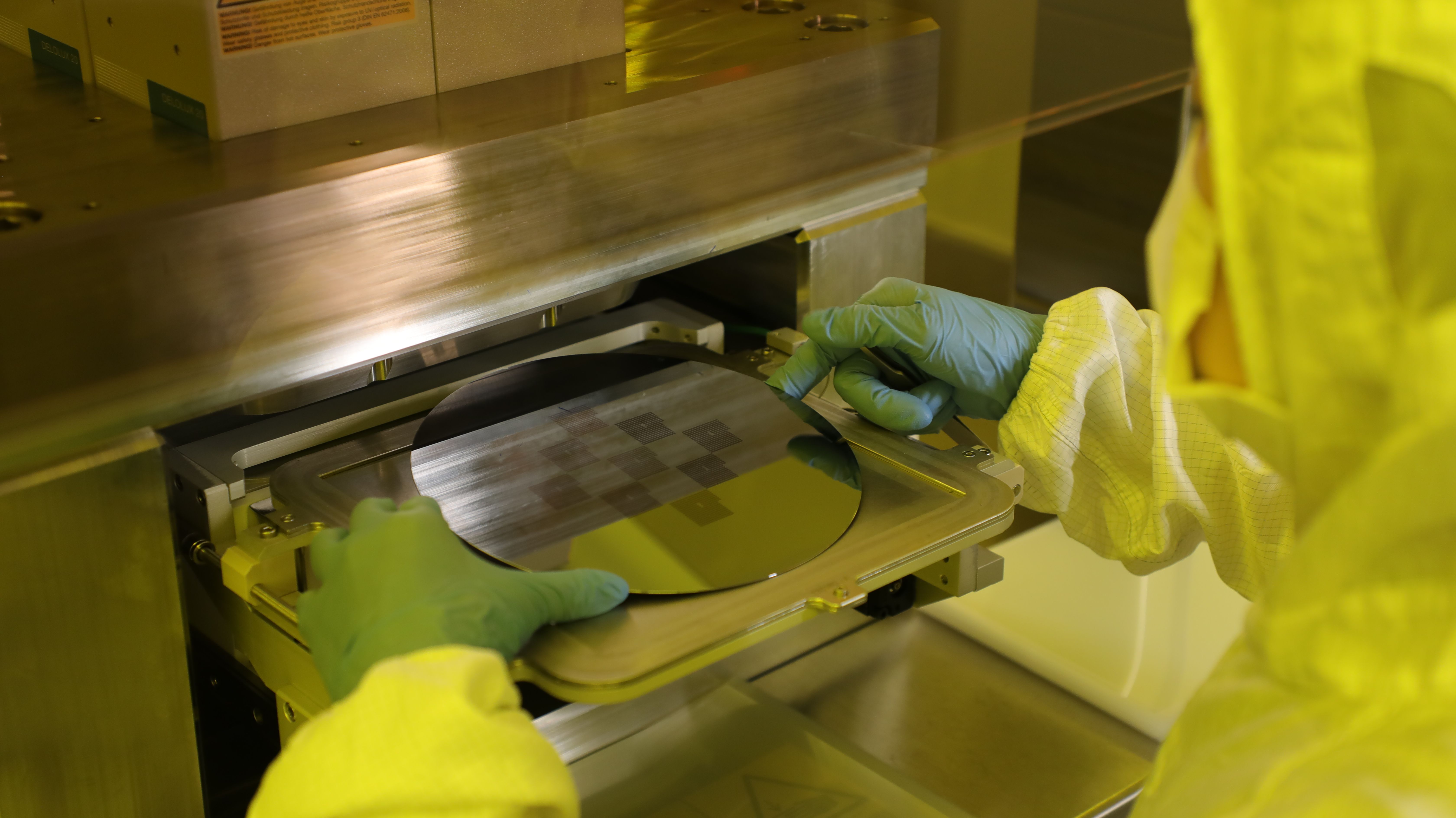
Quantum NIL continues to innovate, expanding the application of nanoimprint technology with its "Hybrid Nanoimprint" solutions, building a core competitive edge in nano-manufacturing. Photo provided by Quantum NIL.
Quantum NIL’s Hybrid Nanoimprint solutions offer high flexibility and cross-material compatibility. They can integrate with biopolymers, thermal/photoresists, metals, plastics, glass, compound semiconductors, metal oxides, composite materials, and bio-functional materials. Furthermore, the process is applicable to wafers with geometric warping or significant thickness variations, as well as non-flat and curved substrates—surpassing the process adaptability of traditional photolithography.
Innovative Hybrid NIL:
Building Global Competitiveness
As early as 2006, Nanoimprint Lithography (NIL) demonstrated the ability to create 2nm ultra-fine structures, proving its immense capability in manufacturing microscopic components. As a technical leader, Quantum NIL continuously invests in R&D and has integrated NIL with traditional manufacturing methods to launch its Hybrid Nanoimprint solutions. This approach resolves the limitations of both technologies and, through continuous innovation, expands the reach of nano-manufacturing, establishing a formidable competitive advantage in the global market.