The government is actively promoting industry–academia collaboration in high-end technology R&D, with strong support from the National Science and Technology Council (NSTC). Targeting high-potential forward-looking enterprises and projects, emerging technology application subsidies are provided through science parks to foster technological innovation and accelerate industrial upgrading, ultimately building a more competitive technology ecosystem.
Startup company Quantum NIL was established in 2023, approved to enter the Hsinchu Science Park in 2024, and in 2025 collaborated with Professor Hao-Chung Kuo’s team at National Yang Ming Chiao Tung University (NYCU) to apply for the park’s Emerging Technology Application Program, successfully passing the review.
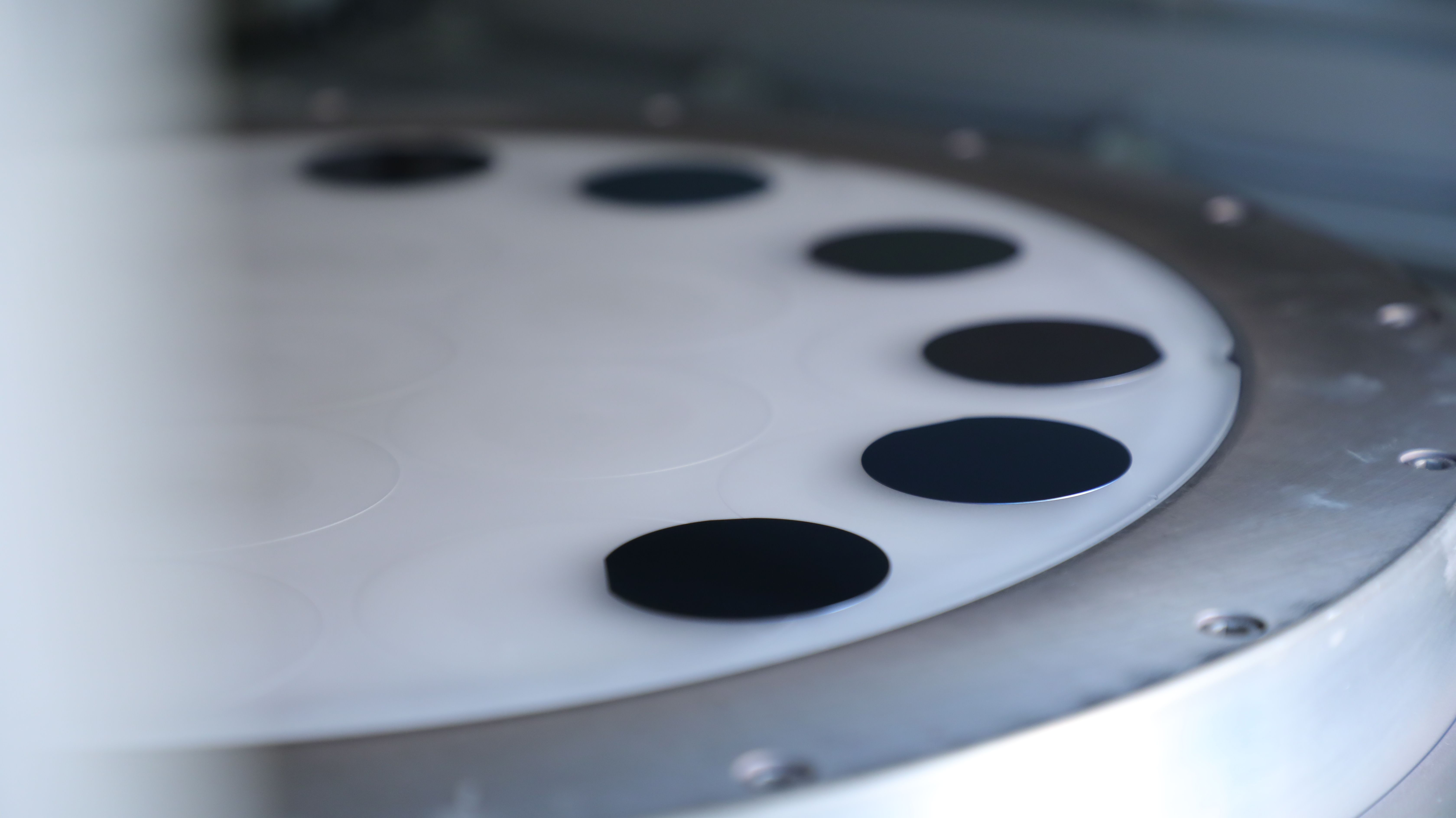
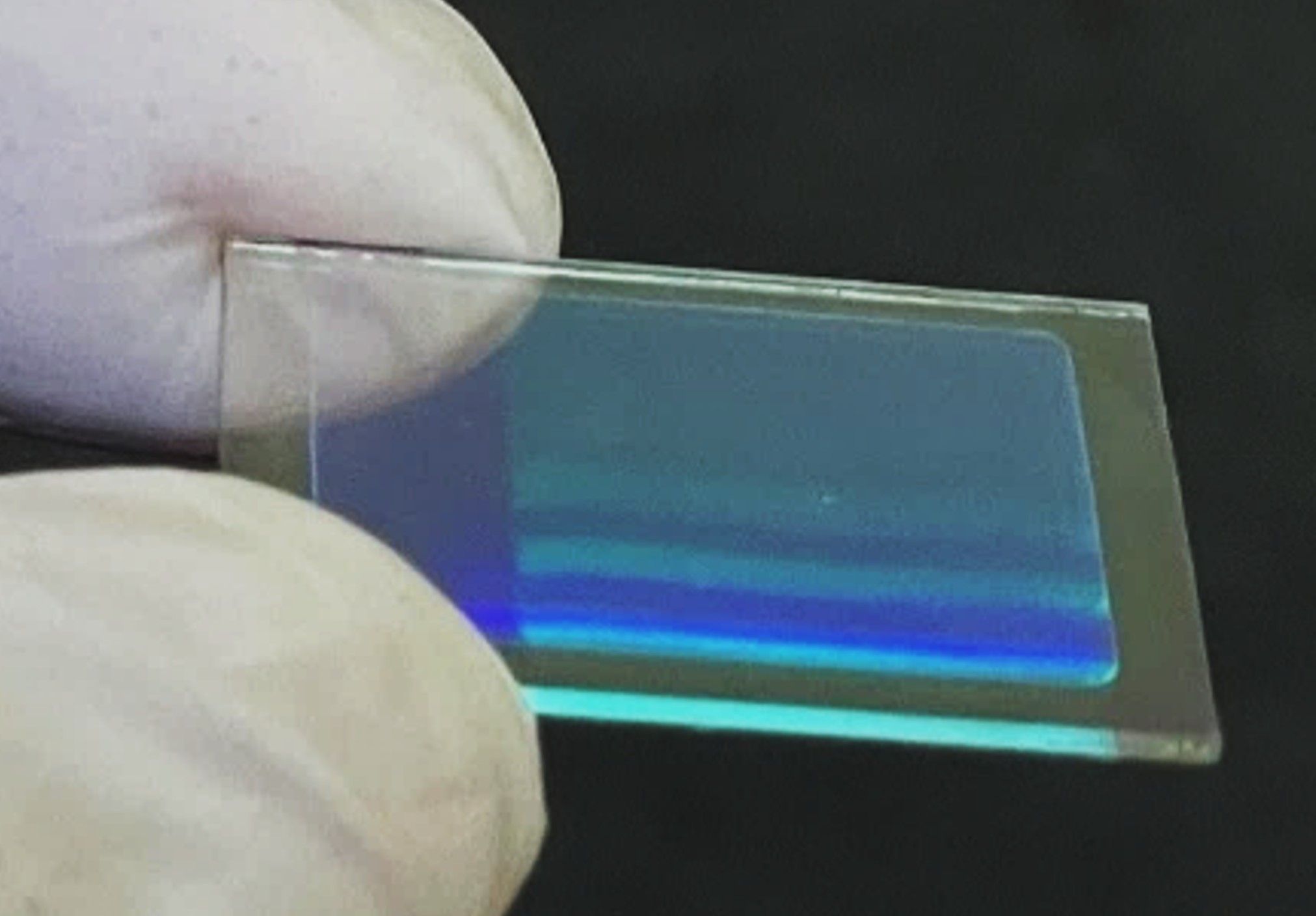
Quantum NIL focuses on the R&D of nanoimprint lithography and the expansion of its diverse applications. Leveraging proprietary core technologies and integrating multiple advanced processes, the company is actively positioning itself in the foundry manufacturing of third-generation semiconductor wafer materials. CEO and co-founder Chung-Hsiang Lin stated that the two-year project will center on nanoimprint manufacturing as its core, developing an AI-enabled PDK (Process Design Kit) to deliver a complete and viable mass-production process solution. In addition to expanding advanced optical applications such as metalenses, the company also sees strong growth potential in the biomedical diagnostics field, pursuing multiple development paths to help customers accelerate the commercialization and scaling of emerging products.
Lin noted that over the past two years, innovation technologies have evolved rapidly, driving a comprehensive shift in manufacturing mindsets. In particular, quantum technologies are advancing toward commercialization with remarkable momentum, demonstrating strong market potential. Artificial intelligence (AI) has become the primary driving force behind semiconductor manufacturing, with industry leaders continuing to benefit. Despite broad optimism regarding AI applications, concerns remain over whether projected demand growth may be overestimated—potentially creating an AI valuation bubble—and whether demand for advanced silicon wafer processing capacity can remain robust in the long term.
Lin further pointed out that the accelerated maturation of quantum technologies and their introduction into computing will be the biggest variable, potentially replacing parts of the existing high-end silicon-based computing market over time. As a result, even if demand for AI chips continues to rise, some wafer allocations may shift toward quantum computing applications. While foundries may see continued order growth next year, the sustainability of future momentum will require close monitoring.
Amid trends of de-globalization and de-centralization in manufacturing, large-scale manufacturing experience models are transitioning toward AI-driven digital twin models. Lin described the future manufacturing ecosystem as a “drone swarm model,” emphasizing that Quantum NIL has already laid the groundwork in advance—beyond its ongoing R&D and process applications—to prepare for the next wave of transformation in the manufacturing industry.
Other News