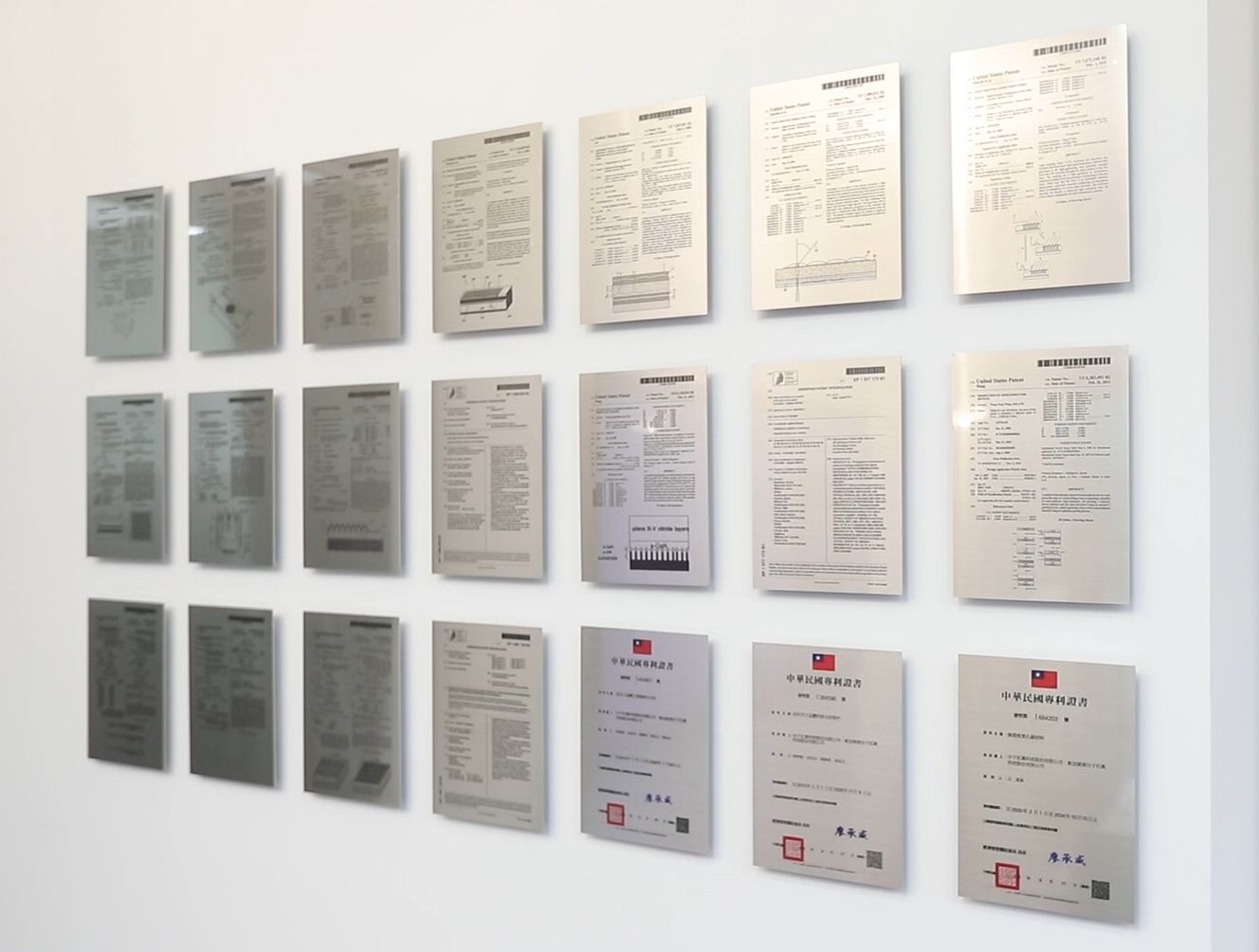
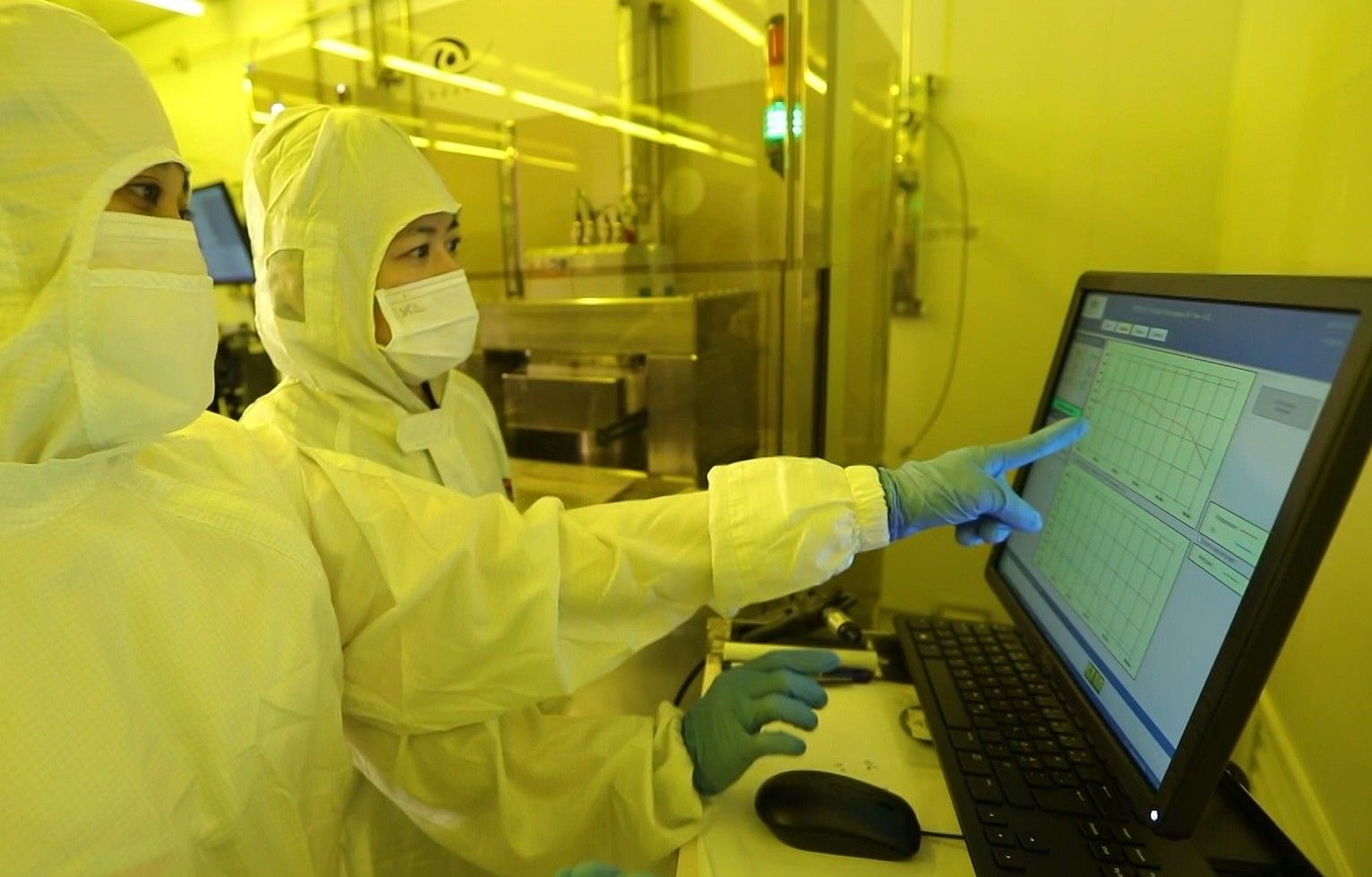
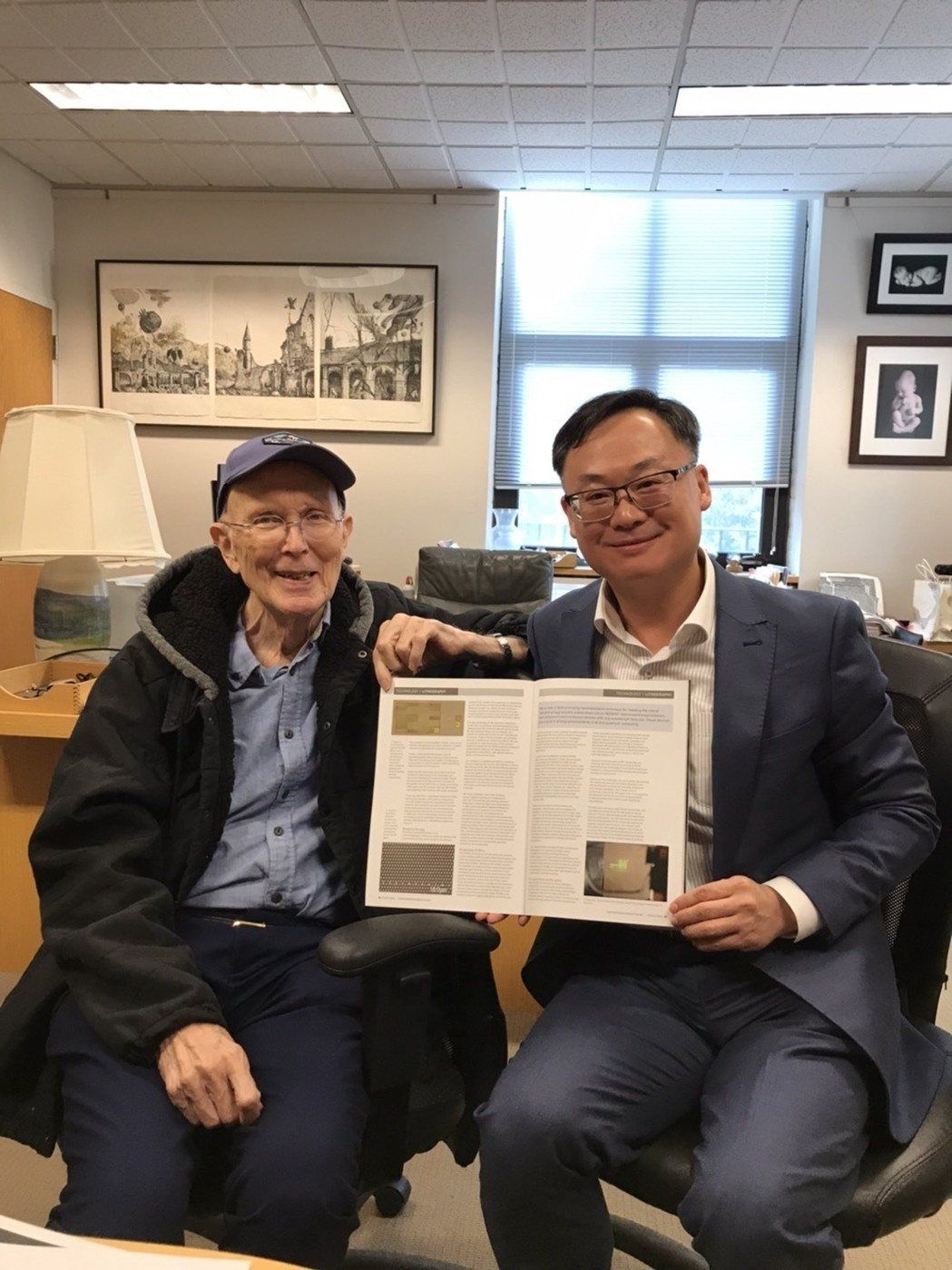
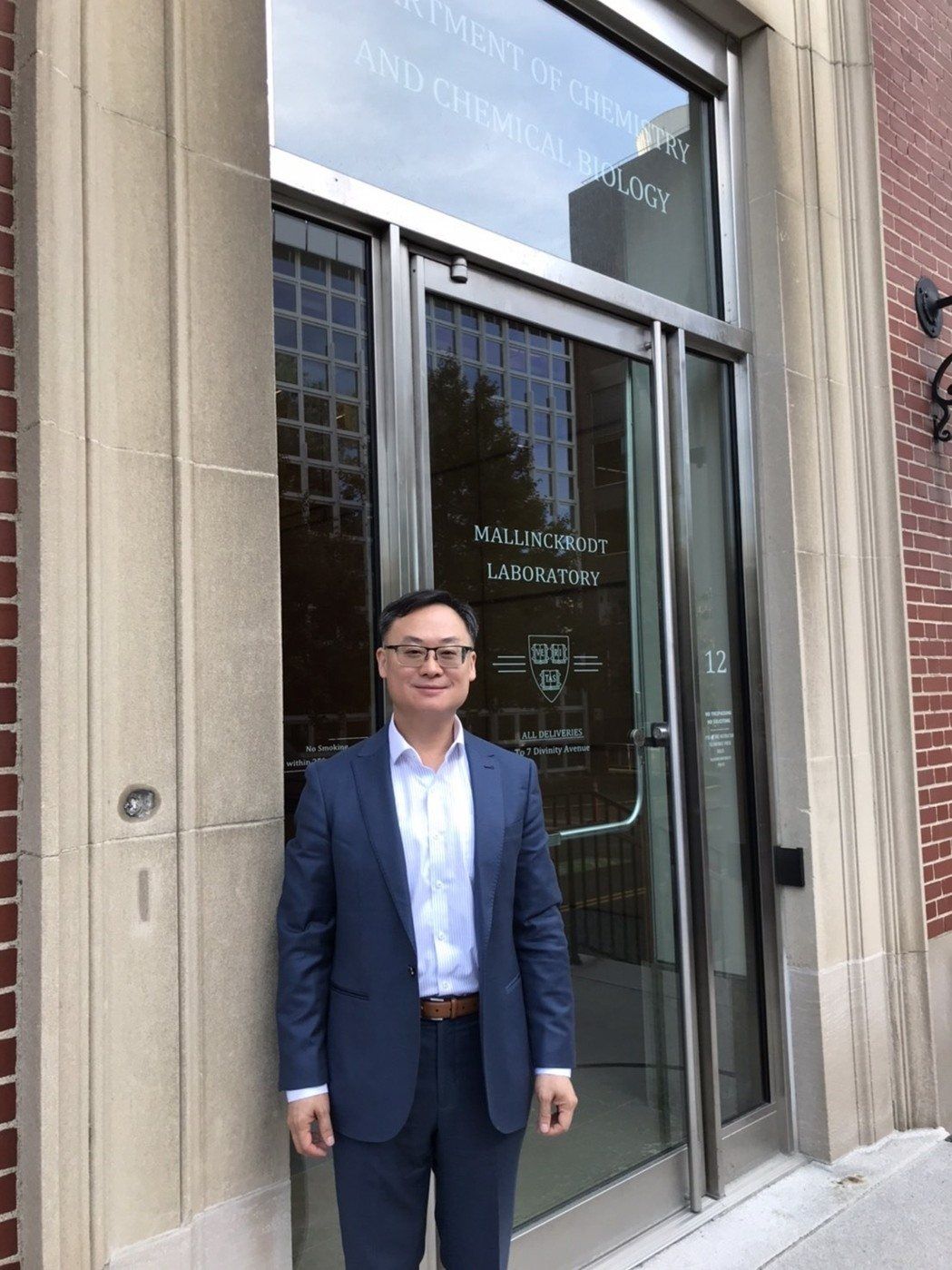
Quantum NIL is actively seeking partners for the application of Nano Imprint Lithography (NIL). To deepen international collaboration and technological integration, CEO Sean Lin recently visited Boston, USA for exchanges. During the trip, he met with Professor George Whitesides of Harvard University and Professor Robert Langer of the Massachusetts Institute of Technology (MIT).
Professor Whitesides is the pioneer of soft lithography, an authority in the fields of nanomaterials, microfluidics, and glycol synthetic chemistry, and a global leader in Nanotechnology. He was also the advisor to the former president of Academia Sinica, Professor Chi-Huey Wong. Professor Langer is a heavyweight authority in drug delivery and tissue regeneration engineering, and one of the co-founders of Moderna, the company behind the COVID-19 vaccine.
Sean Lin stated that he will continue to engage with these two international experts to combine Quantum NIL's expertise in nano imprinting processes and jointly develop next-generation high-precision biochip manufacturing solutions.
Quantum NIL is located in the Hsinchu Science Park and has been deeply engaged in quantum technology for many years. The company actively connects with international partners and is committed to advancing Taiwan’s startup ecosystem within the future quantum industry chain. Led by Sean Lin, the team has been focused on the research of photonic crystal materials for over 20 years. With extensive experience in both domestic and international technology sectors, Quantum NIL has established a solid technological foundation and continues to drive the development of quantum applications.
Under the global push for quantum technology and customized advanced processes, Quantum NIL continues to refine its manufacturing capabilities in the quantum optoelectronics industry. The company is expanding its applications into areas such as data centers, augmented reality (AR) glasses, Metalens, and Bio-Chips. Through these efforts, Quantum NIL is helping Taiwan's manufacturing sector establish a stronger presence on the global quantum technology stage.

Sean Lin pointed out that quantum technology and its applications are rapidly emerging in the global advanced technology sector. With the introduction of high-tech products such as AI chips, AR glasses, and Metalens into the market, Nano Imprint Lithography (NIL) has become a crucial pathway for realizing the development of quantum applications. As the technology continues to evolve, its potential applications are becoming increasingly clear.
Quantum NIL focuses on high-precision processing of wafer-scale compound semiconductor materials, offering complete process solutions that cover deposition, etching, and alignment, with Nano Imprint Lithography (NIL) at its core. The company is actively driving the development of quantum applications.
Sean Lin stated that next-generation chip manufacturing technologies are entering the angstrom (Å) scale, and through advanced semiconductor processes such as 3D stacking, efforts are being made to break the limits of Moore's Law. However, the manufacturing process still faces challenges such as high power consumption, heat dissipation, and computing speed. The commercialization of quantum technology is expected to optimize existing design technologies, opening up more applications for future electronic, optical, and computing architectures.
Sean Lin is well-versed in the global technology industry ecosystem and the dynamics of competition and cooperation. He has a deep understanding of how international technological leaders influence industry development. He pointed out that Taiwan currently holds about 95% of the world’s advanced chip manufacturing capacity. However, the global community has recognized the risks of over-concentration in manufacturing, and there is a growing need to diversify manufacturing and solution strategies.
He highlighted that the next-generation data center architecture, which is centered around all-optical transmission, is rapidly developing, driving new waves of technological demands.
The next-generation data centers will be built around ultra-high-bandwidth all-optical transmission, offering faster speeds, smaller sizes, and reduced energy consumption and heat generation. Lasers are currently the mainstream light source technology, while MicroLED also shows significant potential. Quantum NIL’s target customers are aligned with these emerging applications, aiming to become a core player in the industry’s value chain.
Other News